

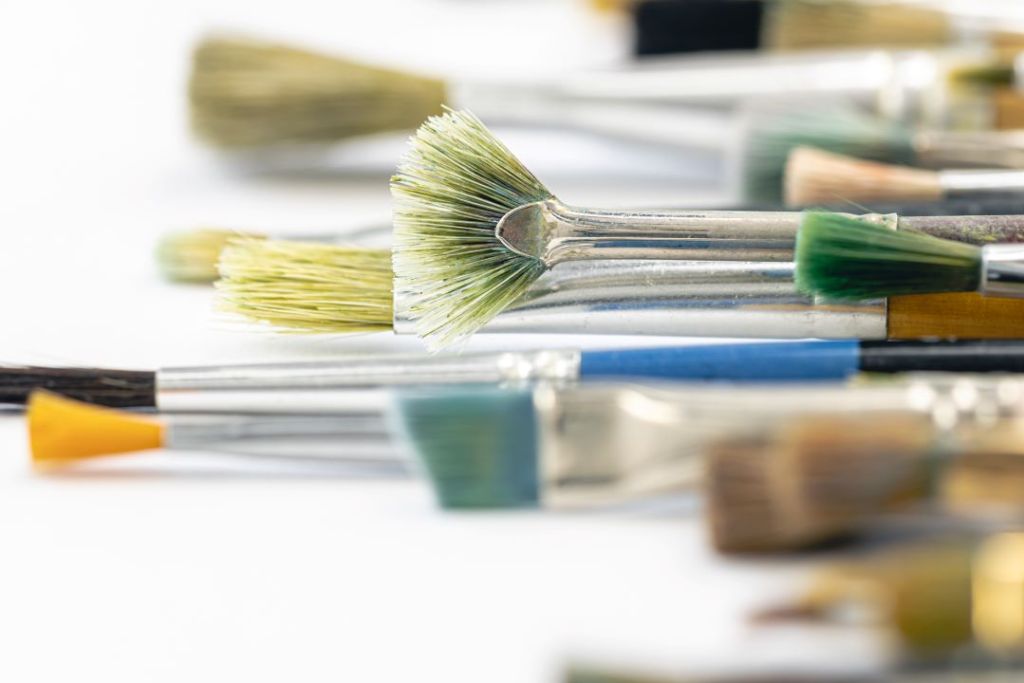
You clean and care your painting art brushes by choosing the appropriate method based on the paint type, whether oil-based paint or water-based paint.
For oil paint, use cleaning solvents or a paintbrush cleaner to remove excess paint, ensuring proper brushcare. Water-based paints can often be rinsed with water and a mild soap.
Use vinegar as a natural alternative for cleaning and refreshing bristles.
Always clean paint brushes thoroughly after each use, store them in an airtight container if needed, and ensure they are dried properly to maintain their shape and longevity.
How to clean and care your art brushes for painting?
You clean and care your painting art brushes by rinsing them thoroughly to remove excess paint, ensuring proper paintbrush care regardless of paint type.
For oil paint or oil based paint, use a paintbrush cleaner or cleaning solvents such as oil based paint brush cleaner to break down the paint, while water based paint can be cleaned with warm water and mild soap.
Gently swirl the brushes in a container filled with the appropriate cleaner, and for stubborn residue, consider soaking the bristles in vinegar.
Always store clean paint brushes in an airtight container to maintain their shape and prolong their lifespan. Proper art brushes brushcare ensures your tools stay in excellent condition for future projects.

How to clean synthetic paint brushes?
To clean synthetic paint brushes, use a mixture of warm water and dish soap to effectively remove paint from the bristles.
Begin by rinsing the paint brushes under warm water to loosen any dried paint. Next, create a soapy solution by mixing dish soap with water in a container.
Dip the brushes into the liquid, gently swirling to dissolve paint particles. Use your fingers to squeeze the bristles and work the soap into them, ensuring every part is cleaned.
For brushes stiff with paint, repeat the process or use a specialized brush cleaner.
When using cleaning solvents like white spirit for oil-based paints, ensure you dispose of the liquid safely by taking it to a designated waste disposal facility.
Avoid leaving paint brushes in white spirit overnight, as it can damage the bristles. After cleaning, shape the bristles back to their original form and store the paint brushes upright in a holder to maintain their quality.
Frequent care and proper cleaning acrylic paint brushes will extend the lifespan of your brushes significantly.

How to care for acrylic paint brushes?: Brushcare tips
To care for acrylic paint brushes, clean them thoroughly after each use to extend their lifespan and maintain their functionality.
Start by rinsing the brushes in warm water and gently working out the paint using your fingers or a cleaning agent like dish soap.
For stubborn acrylic paint, a homemade cleaner using a mixture of vinegar and water can help.
Alternatively, soak the brushes in a small amount of fabric softener and warm water to loosen dried paint.
If the acrylic paint has completely dried, you can use a paint thinner or mineral spirits as a last resort, though this is more commonly associated with oil-based paint cleanup.
Once the paint is removed and the water runs clear, blot the brushes with paper towels to remove excess moisture.
Always reshape the bristles before storing them upright in an airtight container or another suitable container to protect them from dust.
Avoid washing acrylic paint brushes directly in the sink without a proper trap to prevent paint residue from clogging the pipes.
By making these steps a habit, you can ensure your brushes remain in top condition, whether painting on canvas or working on other projects.
How to clean paint brushes that are stiff?
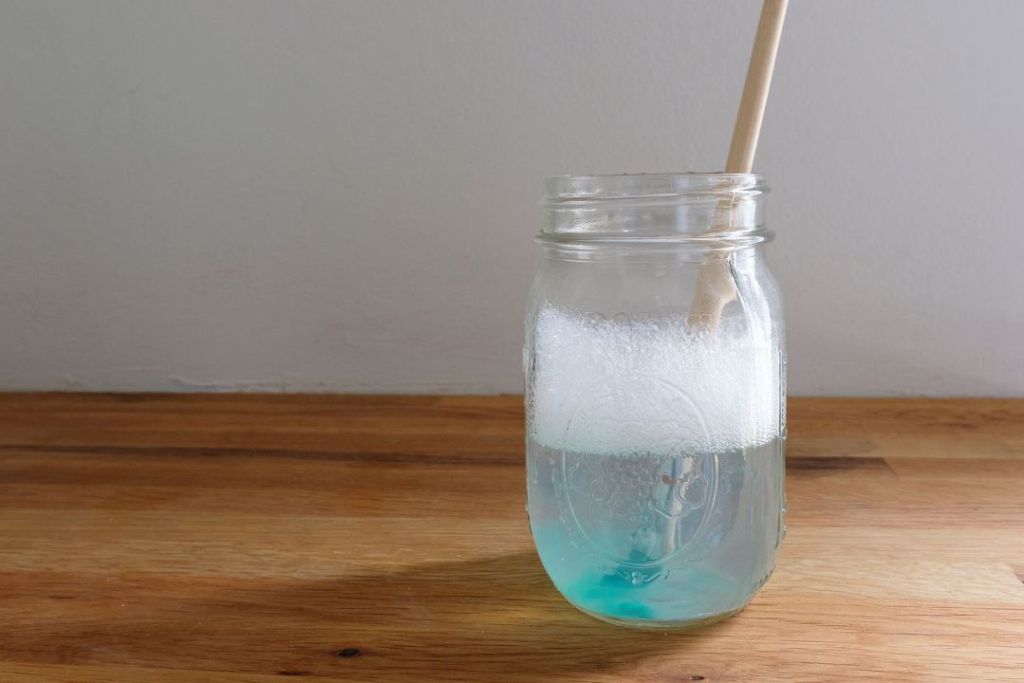
To clean stiff brushes, soak them in a warm vinegar and water solution to loosen the hardened paint.
After soaking for 30 minutes, gently squeeze out the bristles and use a small amount of soap to work out the remaining paint.
For brushes stiffened by dried acrylic paint, you can also try fabric softener mixed with warm water in a container; pour the solution over the brush bristles and massage gently until clean.
If a vinegar solution is not available, baby lotion can be an effective alternative for softening the paint while protecting the brush bristles.
For particularly tough dried paint, using a solvent like paint thinner or mineral spirits can help dissolve the paint.
Pour a small amount of the liquid into a container, submerge the bristles, and swirl gently. Use a clean paper towel to wipe away the softened paint.
When working with oil-based paints, clean brushes thoroughly with paint thinner or a similar solvent before rinsing with soap and water to remove oils.
For rollers, follow the same steps while ensuring all the layers of paint are dispersed evenly through the cleaning solution.
If bristles remain stiff, you can soften them by dipping them briefly in boiling water, being careful not to overdo it, and then reshaping them with your fingers.

How to store paint brushes between painting sessions?
To store paint brushes between painting sessions, you can either clean them or temporarily store them wet to preserve their shape and quality.
One trick for avoiding a full wash is to wrap the brushes tightly in plastic wrap or aluminum foil, ensuring the bristles stay moist and properly pointed.
This method helps prevent excess paint from drying during a break.
For oil-based paint brushes, create an airtight seal by placing the brush in a plastic bag and securing it with a rubber band, or immerse the bristles in a container filled with a small amount of solvent to keep them supple.
When transitioning between coats of oil paint, it’s important to preserve the brush’s quality.
Instead of rinsing, scrape off excess paint using gloves or a cloth, then carefully wrap the brush or temporarily store it bristle-down in a jar filled with paint thinner. Ensure only the bristles are submerged so the ferrule stays safe.
For overnight storage, an effective trick is to pour a small amount of water or solvent into a bucket and suspend the brush so the bristles remain submerged but not bent.
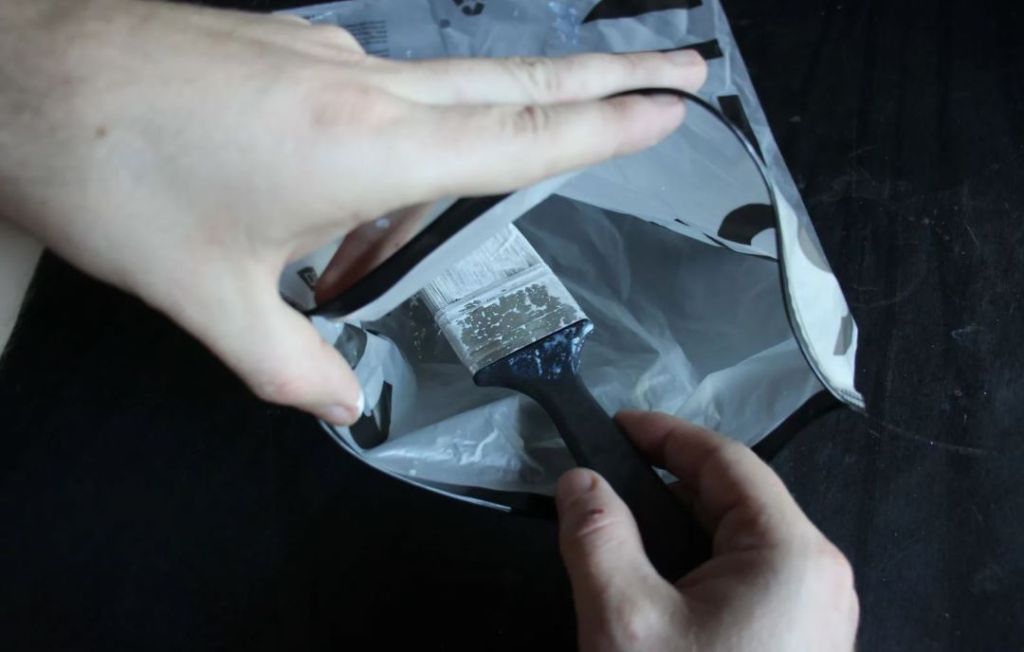
This will prevent the bristles from drying out while maintaining their original point. Alternatively, wrapping the brush securely in airtight plastic will keep it ready for use.
Oil-based paint brushes require specific care to withstand long usage periods. To store them overnight, fill a container with enough paint thinner to cover just the bristles and place the brush inside.
Make sure to wipe off and remove any excess paint before submerging to reduce residue. Proper storage techniques help extend the lifespan of high-quality brushes.
After washing your brushes, reshape the bristles to their original point and allow them to dry flat or hanging upside down to avoid water seeping into the ferrule.
You can also protect your cleaned brushes by storing them in a dedicated paint brush storage case or by wrapping them in paper to keep the bristles aligned.
Maintaining the longevity of your paint brushes starts with proper storage. Always ensure brushes are clean before placing them in storage containers or bags, and keep them in a dry, temperature-controlled area.
For long-term storage, filling a case with dividers or a simple bucket with bristle guards will help protect the brushes’ shape and ensure they are ready for your next project.

How to store paint brushes after cleaning?
After cleaning paint brushes, you allow them to air dry completely and store them upright in a container to maintain their shape and longevity.
For short-term use, keep quality brushes moist between painting sessions by wrapping them tightly in plastic wrap or aluminum foil, or by placing them in an airtight container.
This prevents the bristles from drying out overnight. When preparing them for long-term storage, ensure that all the paint is thoroughly removed by rinsing the brushes with soap and water, and wiping them clean with a cloth while wearing gloves to protect your hands.
To save a paint brush with dried paint, soak it in an appropriate solvent until the paint softens, then carefully rinse and comb through the bristles.
After washing, allow the brushes to dry completely before storing them in a brush bag or their original packaging to protect them from dust, moisture, and pests.
Creating a storage method with a sealed container and a lid helps maintain the condition of your brushes and ensures they are ready for your next project.

How to store paint brushes long term?
To store paint brushes long term, clean them thoroughly, allow them to dry completely, and store them in a cool, dry place to ensure longevity.
After finishing a painting job, remove any excess paint by scraping it against the edge of the paint container or using paper towels.
For water-based paints, rinse the brush in warm water and use a gentle soap to clean the bristles thoroughly.
For oil-based paints, soak the brushes in a container with the appropriate solvent, ensuring all paint is dissolved, then wash with soap and water.
Between painting sessions or overnight, wrap brushes tightly in plastic wrap or a sealable plastic bag to prevent drying out.
Alternatively, you can store the brushes temporarily in an airtight container filled with just enough solvent or water to cover the bristles, keeping them pliable for the next use.
Avoid letting brushes rest on their bristles in a bucket during soaking, as this may damage their shape.
If a paint brush dries with paint on it, try soaking it in a solvent or soapy warm water, depending on the type of paint, for several hours or overnight. Then, gently squeeze and work the bristles to loosen dried paint.
Investing in proper professional paint brush storage, such as brushes with protective shields or slotted containers, can save money by prolonging their usability and helping maintain their quality.

How to care for miniature paint brushes?: Clean your brushes!
You care for miniature paint brushes by primarily ensuring they are cleaned properly and stored effectively after use.
Start by rinsing your brushes under warm water, gently removing excess paint before it dries.
For water-based paint, fill a small bucket or container with clean warm water and swirl the brush to loosen remaining pigments.
If you’re working with oil paint, use a paint thinner to dissolve the paint, wearing gloves for safety, and squeeze out the liquid thoroughly on a paper towel.
Brush soap for miniatures or specialized miniature brush cleaners can help deep clean your brushes without damaging the bristles.
To clean dry brush miniatures and model paint brushes, avoid vigorous scrubbing; instead, gently massage soap into the bristles, rinse thoroughly, and reform the tip.
Using fabric softener can prevent brushes from splitting, keeping them soft and pliable.
Always store your brushes in an airtight container to protect them from dust and damage, and avoid crushing the bristles.
With proper brush care, like for Warhammer miniature brushes, you’ll save money in the long run while maintaining high-quality painting results.

What is the best way to clean art paint brushes?
The best way to clean art paint brushes is rinse them with water right after painting, then clean thoroughly using a mild soap and water solution. For oil paints, you may need a gentle brush cleaner or a solvent-based cleaner, followed by a soap and water rinse.
If you are working with water-based paint and synthetic brushes, start by wiping off as much paint as possible before rinsing the brush under warm water.
Use a mild dish soap, gently working it through the bristles, and then rinse until the water runs clear.
For natural brushes used with oil-based paints or oil paint, begin by wiping off excess paint, then use a solvent like paint thinner, turpentine, or mineral spirits to remove the paint.
Fill a small container with the solvent, dip the brush, and squeeze the bristles gently while wearing gloves.
Finish by rinsing the brush with water and a mild soap, creating a lather, and then rinse again with clean water to ensure no residue remains.
Proper care will keep your brushes in excellent condition, ready to help you create your next masterpiece.

How do you take care of artist brushes?: Use fabric softener
You take care of artist brushes by cleaning them regularly after each use, preferably with soap and water, to remove as much paint as possible.
Start by rinsing the paint brushes under running water to wash out excess paint, then use a small amount of dish soap to gently clean the bristles, working it through to remove oils or stubborn residues.
For brushes with oil paint, consider using paint thinner or mineral spirits as a solvent to break down the materials before washing with soap.
After cleaning, reshape the bristles carefully and avoid letting paint dry within the brush. For added care, pour a small amount of fabric softener or a brush reshaper liquid into a lid and gently dip the bristles to restore their flexibility.
When clean, store your brushes upright or in a manner that supports their shape to prevent deformation.
Never rest them on their bristles, as this can damage their ability to create smooth strokes in future use.
Always wear gloves to protect your hands when handling strong cleaning materials. Regular paint brush handling maintenance ensures your paint brushes remain in excellent condition for all your creative projects.

What do artists clean their brushes with?: Paint thinner & Cleaning agent
Artists use different types of cleaning agents to care for their paint brushes, depending on the paint type and materials used.
For water-based paints like acrylics or watercolors, warm water and dish soap are typically sufficient to wash away excess paint.
Artists may soak their brushes in soapy water, gently rinse them, and use their fingers or a brush comb to remove any hardened paint stuck in the bristles.
For oil paints, stronger solvents such as mineral spirits, turpentine, or paint thinner are necessary to break down the oils and clean the hair of the brush effectively.
After using these solvents, it’s essential to rinse and wash the brushes thoroughly to remove any residue.
A scrubbing brush can also help tackle stubborn paint that clings to the bristles.
Finally, paper towels can be used to blot and dry the brushes, ensuring all the paint is removed and leaving the artist brushes ready for the next job.
Learn how to properly clean and care for your art brushes to extend their lifespan and maintain the quality of your work during our art classes for adults at Space Bears Studio.

What is the best way to store artist paint brushes?
The best way to store artist paint brushes is to store them with the bristles upright in a jar, vase, or cup.
After using your brushes, rinse them thoroughly with clean water to remove all excess paint. Gently shake off any remaining water and reshape the bristles to maintain their point.
For natural bristles, it is crucial to ensure they are completely dry before storing to prevent insect damage—a trick many artists swear by.
Never make the mistake of storing brushes with wet bristles facing down in a bucket or small container, as this can deform the hair and compromise their performance over time.
Using paper towels to pat the brushes dry after rinsing is a helpful step to speed up drying and keep the bristles in optimal condition.
Avoid soaking brushes in water for extended periods, as this weakens the ferrule’s attachment and damages the bristles.
Proper care and storage will extend the life of your brushes and ensure they remain ready for your next masterpiece.
Just as proper brush care preserves the quality of your tools, taking steps to prevent masking tape from damaging your art paper ensures your materials last longer and your work stays pristine. Learn how to prevent masking tape from damaging your art paper here.
Leave a Reply