
Author: spacebearship
-

How to understand pencil grades?
You understand pencil grades by determining the hardness and darkness of the pencil’s lead, which is influenced by the ratio of graphite to clay in the core. Hard pencils, marked with H, contain more clay and produce lighter, finer lines, while soft pencils, marked with B, have more graphite and create darker, richer marks. The…
-

How to scale a drawing?
To scale a drawing, determine the scale ratio, use a ruler or grid method to proportionally adjust each element, and redraw it at the new size using light pencil marks for accuracy and easy corrections. Adjust the size of an image or object proportionally using a specific ratio that maintains the form and accurate distances…
-

What is the difference between sketch and drawing paper?
Between sketch and drawing paper, the difference lies in their intended use and quality. Sketch paper tends to be lighter and more budget-friendly, perfect for quick, informal sketches, practice sessions, and experimentation. It allows artists to make loose, spontaneous marks without the pressure of producing a polished piece. On the contrary, drawing paper is thicker…
-
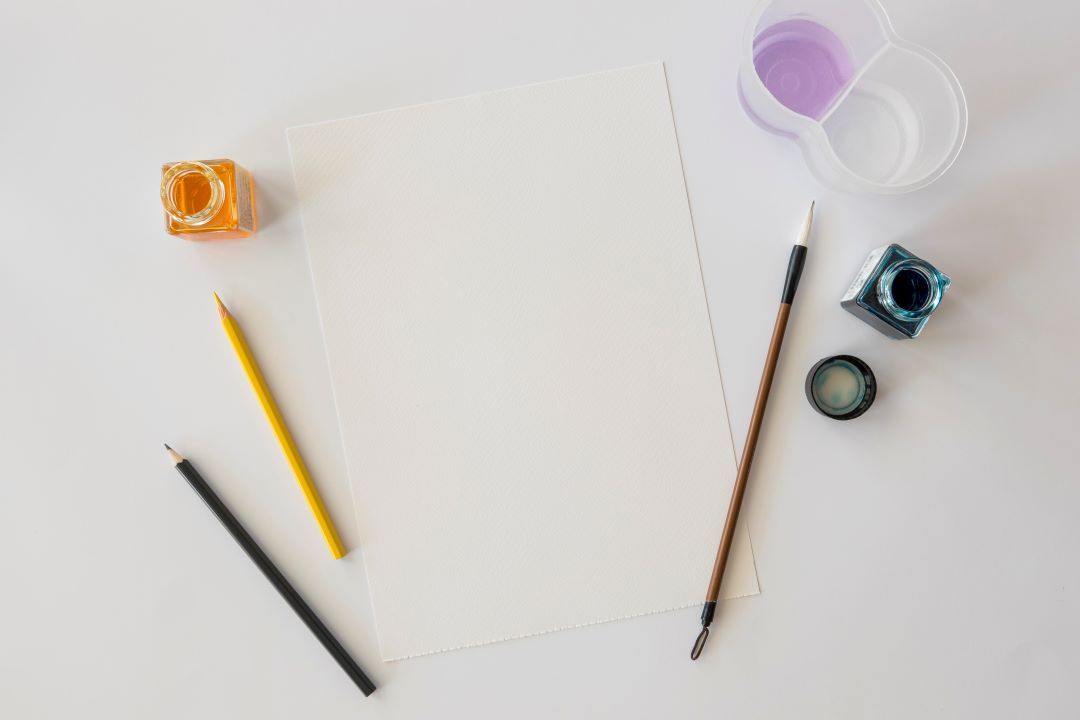
How to choose the best drawing paper for beginners?
For beginners, You can choose the best drawing paper by selecting quality, acid-free papers with a balanced surface texture that provides enough tooth for graphite, charcoal, and colored pencils. Ideal options include cartridge paper, vellum Bristol board, and heavyweight watercolor paper, which offer durability and versatility for various drawing techniques. Considering factors like paper weight,…
-

What colours make brown?: How to mix your paint?
Brown can be made by mixing primary colors together, such as red, blue, and yellow, to create brown paint in varying shades. By adjusting the ratios of these paint colors, you can achieve either light or dark brown tones, providing flexibility for oil paints or any other medium. The primary colors interact with each other…
-
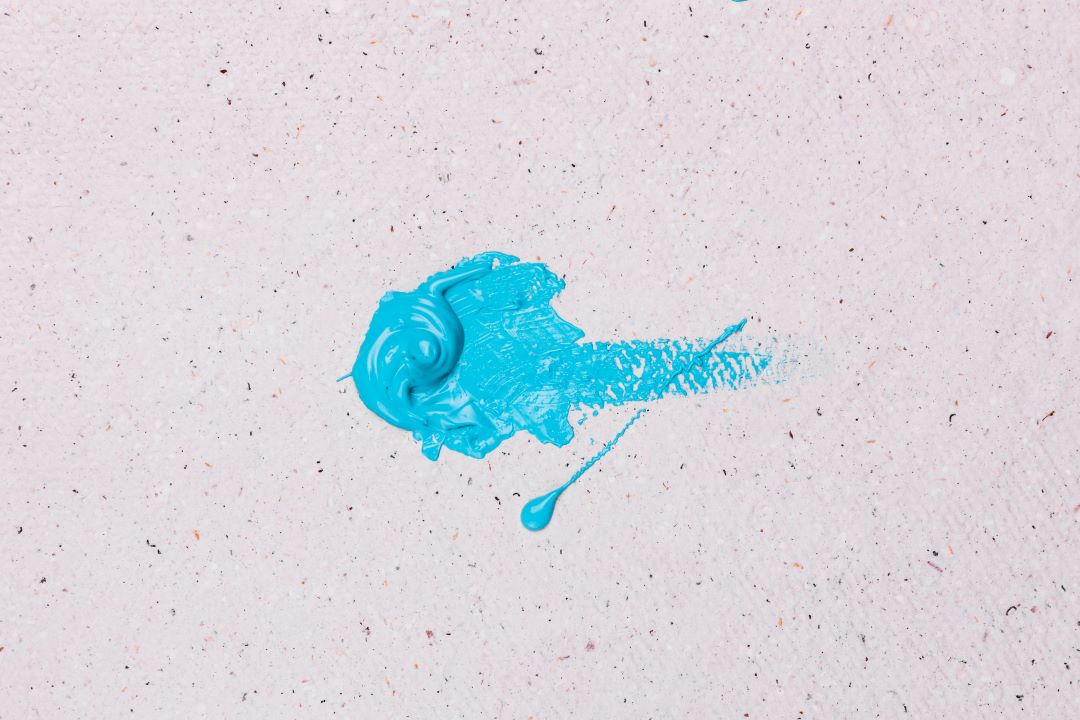
How to paint texture?
To paint texture, artists use various techniques that create an illusion of tactile surfaces on a painting, such as layering paint, using various brushes, or incorporating tools like sponges and palette knives to add depth and dimension. How to paint texture with acrylic paint? To paint texture with acrylic paint, begin incorporating household items such…
-
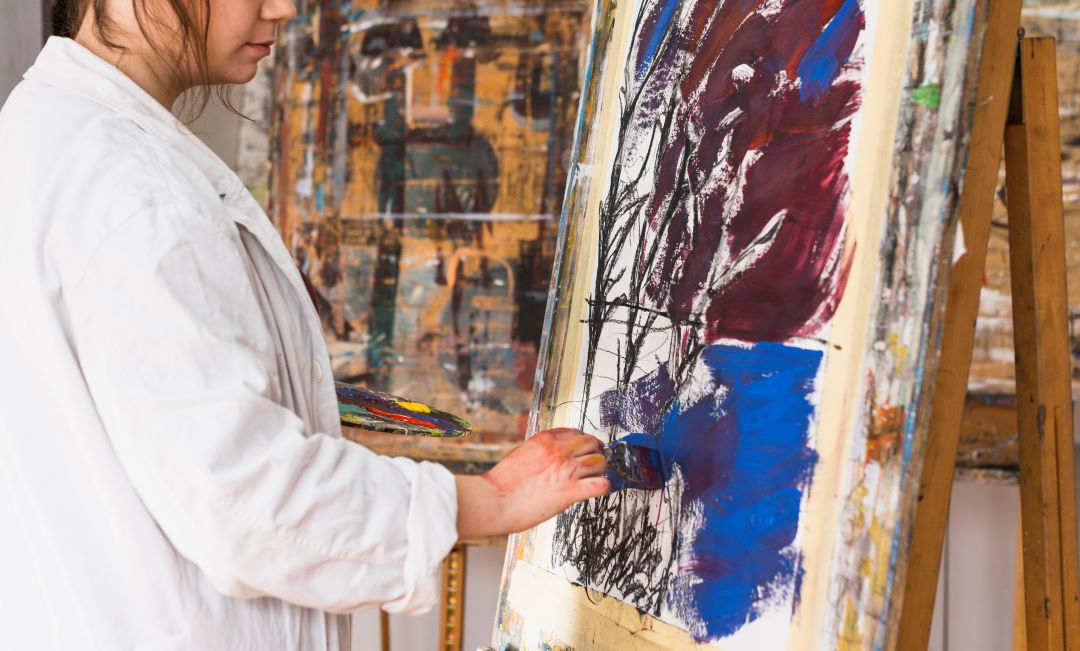
How to do painting on a panel?
To do painting on a panel, begin selecting the two types of panel present, namely canvas panels or wood panels, based on your preference and project needs. Canvas panels are lightweight and portable, while wood panels, such as Masonite or other wooden surfaces, offer a sturdier option. Choose an appropriate size that suits your painting…
-

How to varnish a painting?
You varnish a painting by first ensuring the surface is clean and dry, particularly for oil paintings, and applying an isolation coat if necessary to protect the artwork. Use a painting varnish suited for your needs, such as water-based varnishes or those with a matting agent for a specific finish like high gloss. Oil painters…
-
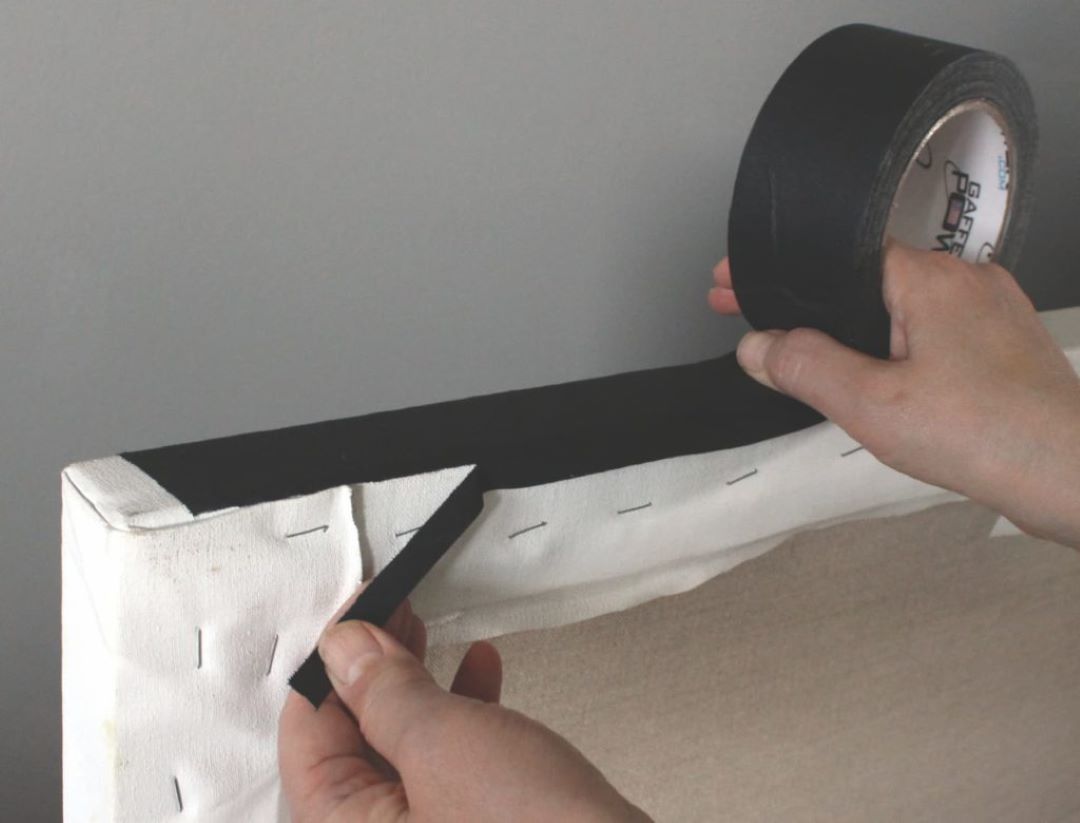
How to prevent masking tape from damaging your art paper?
To prevent masking tape from damaging your art paper, begin by using painter’s tape instead of regular masking tape, as it is designed to be less adhesive and gentler on surfaces. Ensure the tape is not pressed too firmly onto the paper, and remove it carefully at an angle once the paint has dried and…
-

How to clean and care your art brushes?
You clean and care your painting art brushes by choosing the appropriate method based on the paint type, whether oil-based paint or water-based paint. For oil paint, use cleaning solvents or a paintbrush cleaner to remove excess paint, ensuring proper brushcare. Water-based paints can often be rinsed with water and a mild soap. Use vinegar…