
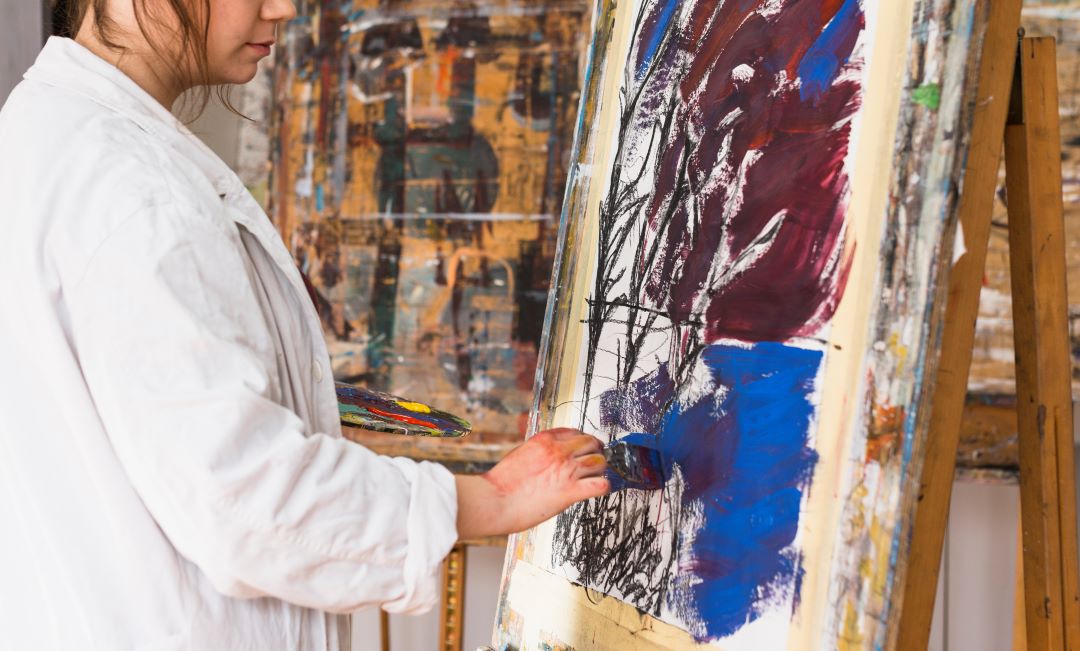

To do painting on a panel, begin selecting the two types of panel present, namely canvas panels or wood panels, based on your preference and project needs.
Canvas panels are lightweight and portable, while wood panels, such as Masonite or other wooden surfaces, offer a sturdier option.
Choose an appropriate size that suits your painting requirements and ensure the surface is properly prepared.
Applying a layer of acrylic gesso is essential to prime the panel, creating a smooth and consistent painting surface.
Whether you opt for canvas panels or wood panels, preparing the surface carefully ensures better adhesion and enhances the final quality of your painting.
Painting On A Panel
Painting on a panel offers a sturdy and smooth surface ideal for creating artwork. Common materials include Masonite or wood panels, which can be easily found at an art supply store.
To prepare the panel for painting, apply a few coats of gesso to create a smooth and primed surface similar to canvas.
The size of the panel can vary depending on your project, providing versatility for different artistic needs.
Painting panels are an excellent alternative to traditional canvases, offering durability and a timeless foundation for your creative expressions.

Painting on Wood Panel vs. Canvas
Painting on a panel, such as Masonite or wood, provides a smooth and durable surface that is often preferred over canvas for certain art styles.
Panels can be found in various sizes at an art supply store or custom-cut to meet specific needs.
Before painting, the wood panel should be prepared with gesso to create an ideal surface that allows the paint to adhere properly.
Compared to canvas, panels are less flexible, offering a stable base for detailed work or heavy paint applications.
Whether using a professionally prepared painting panel or making one at home, they provide a versatile and long-lasting option for artists.

Materials for Painting on Panel
When preparing to paint on panels, it is essential to gather the right materials to ensure a durable and smooth surface for your artwork.
One of the first considerations is selecting a sturdy substrate such as wood panels or masonite board for painting.
Wood panels are highly favored by many artists due to their longevity and solid surface, which provides excellent support for paintings.
These panels can come in various sizes and thicknesses, offering versatile options to suit your specific needs.
To prepare the surface for painting, a primer like acrylic gesso is necessary. Gesso creates a smooth and absorbent surface, allowing paint to adhere efficiently to the wood product.
It can be applied in multiple layers, with sanding in between to achieve the desired texture. Sandpaper is a crucial tool in this process, as it helps refine the surface and removes any rough edges.
For applying paint, having a good selection of paint brushes is vital. Whether you’re working with oil paint or acrylics, using the right brushes tailored to your technique ensures even application and precision.
Additionally, artists can find pre-made wood cradles and panels at home improvement stores, hardware stores or art supply shops, already sized and ready for use.
Finally, be sure your panel’s surface is properly prepared to support the medium you are using, whether it resembles the flexibility of a canvas or the sturdiness specific to wood panels.
With these materials and proper preparation, you’ll have a reliable foundation for creating magnificent paintings.

Procedure for Preparing Panel for Painting
Preparing a panel for painting is an essential step to ensure a smooth and durable surface for your artwork.
First, cut your panel to the desired size and dimensions using a circular saw. Many artists prefer wood panels such as Masonite or other wood products because they provide a sturdy alternative to canvas.
Once the panel is cut, sand the surface thoroughly to improve adhesion. This step is particularly important as it helps create a surface ideal for applying paint.
Next, apply a layer of acrylic gesso to the wood panel. This primer seals the wood and creates a suitable painting surface for both acrylic paint and oil paint.
After the first coat of gesso dries, apply a second coat in a direction perpendicular to the first one. This technique ensures an even, consistent surface.
Wood cradles can also be attached to the back of the panel for added stability, offering artists better handling during the painting process.
Materials like gesso, sandpaper, and wood panels are easily available at most hardware stores, making them accessible to many.
Preparing panels properly helps artists achieve professional-quality paintings while exploring durable and versatile surfaces.

How to paint on a panel?
To paint on a panel, begin understanding how painting differs across various surfaces. The weave of a canvas creates friction, which pulls paint from the brush, making the process distinct from smoother surfaces like sanded Masonite panels.
A smoother surface decreases friction, allowing paint to spread farther and more easily. Oil painters often use coarse bristle brushes to apply paint effectively on these surfaces, while some artists may prefer long-handled synthetic brushes, which can adequately spread paint on ultra-smooth Masonite panels.
Painting on hard surfaces like wood panels provides many artists with a sense of control compared to stretched canvas.
Brushes, often flexible or even floppy, interact differently with these surfaces. While applying pressure to stretched canvas causes it to flex, wood panels remain unyielding, enabling greater precision.
The hard surface of a panel offers control in another way as well—artists can rest their hand right on the surface for intricate detail work, something not advisable with stretched canvas as it might warp.
Materials like wood panels, gesso, and Masonite are widely available at hardware stores, making it simple for many artists to explore the unique qualities of painting on panels.

Materials for Painting on Panel
To paint on a panel, it is always recommended to make a panel instead of buying one, as it is often cheaper and assures higher quality.
Many artists prefer wood panels for their paintings because of the stability and smooth surface they provide compared to a canvas.
To create your own painting surface, begin by selecting a wood product like masonite or plywood, which you can find at most hardware stores.
Cut the panel to your desired size using a circular saw, ensuring that the dimensions suit your artistic vision.
For additional sturdiness, consider attaching wood cradles to the back of the panel. Next, sand the wood panels thoroughly to provide better adhesion for the gesso and paint.
Apply a layer of acrylic gesso evenly across the surface, then, once dry, add a second coat in a direction perpendicular to the first for optimal coverage and texture.
The prepared wood panels for oil painting, are now ready to support your oil paint or other mediums, offering a durable and professional-quality foundation for your artwork.
Creating wood panels yourself not only saves money but also gives you full control over the surface and size, allowing you to tailor the experience to your exact needs.

How do you prepare panels for painting?
You prepare panels for painting by first cleaning the surface and repairing any imperfections, such as dents, holes, or cracks, using fillers like wood putty or caulk.
Once the repairs are made, sanding the panel helps create a smooth and even surface. Many artists prefer hardboard or wood panels available at art supply stores, hardware stores, or directly from a panel company.
After sanding, you can apply a primer or acrylic gesso to prepare the surface.
For wood panels, using a stain-blocking primer or oil-based primer is ideal, while pre-primed panels may only require light sanding and dusting to ensure proper adhesion.
Once the primer or gesso dries, sand the panel again lightly since rough surfaces allow for better adhesion compared to very smooth surfaces. After cleaning the surface a final time, your painting panels are ready for use.
Whether for oil painting on wood panel, acrylics, or mixed media, properly prepared panels offer a durable and versatile alternative to canvas, meeting the needs of many types of paintings and artistic styles.

Can you paint directly on a wood panel?
Yes, you can directly paint on a wood panel, but it is generally recommended to prepare the surface beforehand for better adhesion and durability.
Applying a layer of acrylic gesso is a common practice to seal the wood and create a smooth painting surface.
For paintings on cradled wood panels or masonite, priming with gesso not only enhances the grip of the paint but also protects the wood product from absorbing too much moisture and affecting the longevity of your artwork.
While it is possible to paint without preparation, using gesso ensures a more professional and stable result, especially when working on larger panels or with wood cradles. Preparing the surface properly is crucial for achieving vibrant and lasting paintings.
Painting on a panel offers a firm, stable surface ideal for building up texture in your artwork.
Unlike canvas, painting on masonite panels can handle heavier applications of paint and mediums without flexing, making them perfect for textured techniques.
Mastering both surface preparation and texture application adds depth and dimension to your work. Learn how to paint texture here.
At Space Bears Studio, you can explore the basics of painting on a panel, from surface preparation to choosing the right materials for a smooth, lasting finish.
Join our art classes for adults to experiment with different surfaces beyond traditional canvas.

Is it better to paint on canvas or panels?
There is no single, better option when it comes to painting on a canvas or panel as both have their own unique advantages and disadvantages.
Artists often choose between these surfaces based on individual preferences, painting style, and the desired outcome of their artwork.
Art painting panels, such as wood panels or hardboard, are generally favored for their durability, smooth surface, and ease of transportation, making them ideal for many types of paintings.
The rigid quality of these wood surfaces also allows for intricate details and layering techniques.
On the other hand, canvas panels or stretched canvas offer a looser, more flexible surface and are often more affordable, making them a popular choice for larger works or beginner artists.
Ultimately, the decision between panels and canvas comes down to what best suits the size, texture, and feel an artist is aiming to achieve in their creations.
Painting on a board or panel provides a sturdy, smooth surface that can enhance the final look of your artwork.
Once your panel painting is complete, varnish helps protect the surface and bring out the richness of the colors. Therefore, it is important to learn how to varnish a painting.
Leave a Reply