
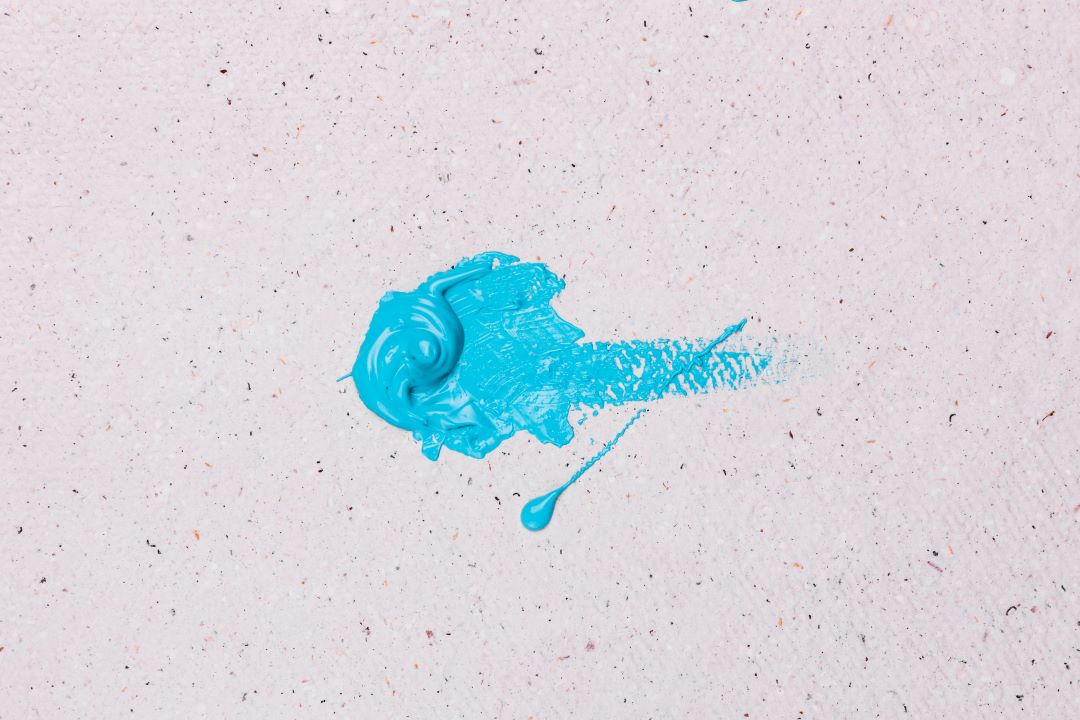

To paint texture, artists use various techniques that create an illusion of tactile surfaces on a painting, such as layering paint, using various brushes, or incorporating tools like sponges and palette knives to add depth and dimension.
How to paint texture with acrylic paint?
To paint texture with acrylic paint, begin incorporating household items such as sponges, palette knives, or brushes to explore various texture techniques.
Texture painting can add depth and dimension to artworks by using one or more layers of acrylic paint. Experimenting with different tools and approaches allows artists to achieve unique effects and bring their creative visions to life.

How to paint texture with acrylic paint on canvas?
To paint texture with acrylic paint on canvas, you can use various techniques and materials like texture paste, gels, or even household items such as sponges or palette knives.
A popular approach for beginners is using texture paste, which helps build dimension and depth on the canvas, creating stunning artworks with intricate surface details.
Texture mediums for acrylic paint, like modeling paste or heavy gel mediums, are excellent for achieving raised effects and enhancing texture techniques.
Brush strokes can also play a crucial role in painting texture, with varying pressure and patterns adding dynamic layers to your canvas.
Whether you aim for smooth, blended textures or bold, rough applications, experimenting with these materials and tools will allow you to explore endless creative possibilities.

How to paint acrylic texture painting for beginners?
For beginners, you can start acrylic texture painting by first incorporating scale into your artwork.
Step one is to create a pencil sketch or use a reference photograph on your canvas to outline the structure of your painting.
This helps establish a clear foundation for your textures. Step two involves paint selection—choose vibrant, high-quality acrylic paints that suit the mood of your piece.
Step three focuses on paint mixing; partially mix colors to keep some variations visible and loosely block in colors to establish areas for texture.
Step four is selecting the right painting tools. Use light molding paste, dry mediums, and tools such as a palette knife to build bold, dynamic textures.

This step allows you to experiment with various painting techniques for unique textured finishes.
Step five is maintaining speed—work efficiently to retain the freshness of brush strokes and avoid overworking the canvas.
Step six is about finding order in materials. Enhance textures using creative tools like plastic wrap, aluminum foil, Styrofoam stamps, sand, egg shells combined with PVA glue, or even textiles for layering.
Finally, step seven is color correction. Use brushes to delicately add light and dark marks to define details and refine the artwork, ensuring balance in color and texture.
Acrylic texture painting on canvas offers limitless opportunities to explore with thick textures and mediums like acrylic texture paste.
Whether you’re a student, an aspiring artist, or someone just beginning their art journey, mastering these painting techniques with acrylic paint will elevate your works into expressive, textured masterpieces.

What does texture mean in painting?
In painting, texture refers to the perceived surface quality of a work of art, which can bring depth and life to artworks.
Actual texture is the physical surface quality of a painting that can be felt if touched, such as the raised areas created through the use of thick acrylic paint or a palette knife.
On the other hand, implied texture is an illusion created by visual cues like brush strokes, patterns, lines, or color variations, which can suggest softness, roughness, or smoothness.
Artists often combine these texture techniques in their art to add dimension and attract the viewer’s attention.
Whether working with oil paints, oil pastels, or acrylic paints on canvas, texture painting plays an essential role in evoking a sensory experience.
Acrylic painting, in particular, is versatile for creating painting texture through tools like brushes and palette knives, opening up endless possibilities to experiment with and explore the surface qualities of art.

What is the problem with painting texture?
The problem with painting texture includes brushing issues, as sediments tend to settle at the bottom of your mixture, making it crucial to mix them back properly.
Unlike regular paint, texture painting techniques require uneven, random layers, so avoid smoothing over the surface.
When applying oil paint or other mediums for art textures, letting it sit too long can lead to uneven drying, often impacted by factors like high humidity or low temperatures.
Dry brush effects can add unique marks but require precise brush control and careful management of drying times.
To ensure your artwork achieves the desired effect, consider priming the surface, working in thin coats, and maintaining a consistent direction for brush strokes or palette knife movements.
Terrain painting or other art texture projects benefit from purposeful mark making, making every step intentional for a cohesive and striking final work.

What are the approaches to texture in art history?
In art history, the two primary approaches to texture include actual texture and implied texture, each offering unique dimensions to a work of art.
Actual texture refers to the physical surface quality of an artwork that can be felt, such as the roughness of sand mixed with paint, the grooves of brush strokes, or the raised surfaces of oil paints and thickened media on a canvas.
This approach is often found in sculptures, mixed media pieces, and heavily textured paintings created through innovative painting techniques.
On the other hand, implied texture involves the visual illusion of texture, achieved through meticulous mark making, the interplay of line, color, and form.
Students of art frequently explore implied textures in paintings, drawings, and prints, using tools like brushes and other implements to mimic the tactile qualities of various surfaces.
Both texture and painting approaches play a vital role in enhancing the depth and richness of an artist’s work, showcasing the endless possibilities of texture in the creative process.

How can we create texture in painting?
You can create texture in painting by using impasto, a painting technique where thick layers of paint are applied with a palette knife or brush to create dimension and bold textures.
One effective palette knife technique is to layer paint in sweeping or dabbing motions, emphasizing dramatic ridges and crests.
Using a dry brush can achieve rough, textured effects by lightly dragging the brush across the surface, leaving irregular marks that enhance the art.
Adding dry mediums like sand, sawdust, or fine grit to paint creates granular textures, while mixed media methods combine materials like tissue paper, fabric, or modeling paste for unique tactile effects.
Mark-making with tools such as combs, sponges, or stencils introduces intricate patterns and varied textures, while DIY texture paste offers endless customization by blending acrylic paint with common household items like baking soda or plaster.
These techniques allow artists to turn flat surfaces into dynamic, highly engaging works of texture and depth.

Can you add texture with just paint?
Yes, you can add texture with just paint by using textured rollers, employing techniques that create patterns in wet paint, or adding materials directly into the paint.
Texture painting allows artists to experiment with varying levels of depth and dimension, enhancing the tactile quality of their artworks.
For instance, creating painting texture can be achieved with brush strokes or a palette knife to build layered textures in oil paints or acrylics.
These texture techniques are a hallmark of many traditional and contemporary paintings, offering a unique way to bring life and character to each work of art.
Whether working with oil paint, acrylic, or other mediums, playing with art texture is an impactful tool to elevate the visual complexity of your creations.
When painting texture, color choice is just as important as technique—especially with complex tones like brown. Knowing how to mix the right shades of brown helps add depth and realism to textured surfaces.
Discover what colours make brown and how to mix your paint! Mastering both texture and color mixing brings your artwork to life with richness and dimension.

How to create a textured paint effect?
You can create a texture paint effect by adding plaster, flour, sand, wallpaper paste, shredded paper, or even drywall mud into your paint mixture.
Once the texture material is incorporated, you can apply it using various painting tools such as a paintbrush, putty knife, palette knife, spoon, fork, or even a grouting tool.
These texture techniques allow for endless creative possibilities, transforming your work of art into a dynamic visual experience.
Experimenting with different materials and painting texture methods can help you achieve unique textures that enhance your paintings.
Mark making with palette knives or other tools creates striking effects, adding depth and interest to your art.
Incorporating these texture painting techniques into your process is a way to bring individuality and character to your work, making your paintings with textures stand out as truly one of a kind.

What paint is used for texture painting?
Acrylic paint is used for texture painting because of its versatility and quick drying properties, making it a favorite among students and artists working on textured artworks.
To achieve dimensional effects and enhance art texture, the addition of texture mediums is often employed to thicken the paint, allowing for creative and dynamic painting techniques on canvas.
While acrylic painting is popular for this purpose, oil paint is also widely used due to its naturally thick consistency and slow drying time, which provides more flexibility for artists to work with intricate textures in their paintings.
It is important to understand that panels provide the rigidity needed for heavy paint application, impasto techniques, or layered textures. Understanding how to paint on a panel enhances your ability to explore and control textured effects.
Both acrylic and oil paints contribute to a variety of textures in artworks, offering endless possibilities for exploring art texture and creating striking visual effects in texture painting.
Want to learn painting but don’t know how to start? Check out Space Bears Studio on how to do painting on a panel!
learn how to paint texture to add depth, dimension, and visual interest to your artwork using various tools and techniques during our art classes for adults.
Leave a Reply