
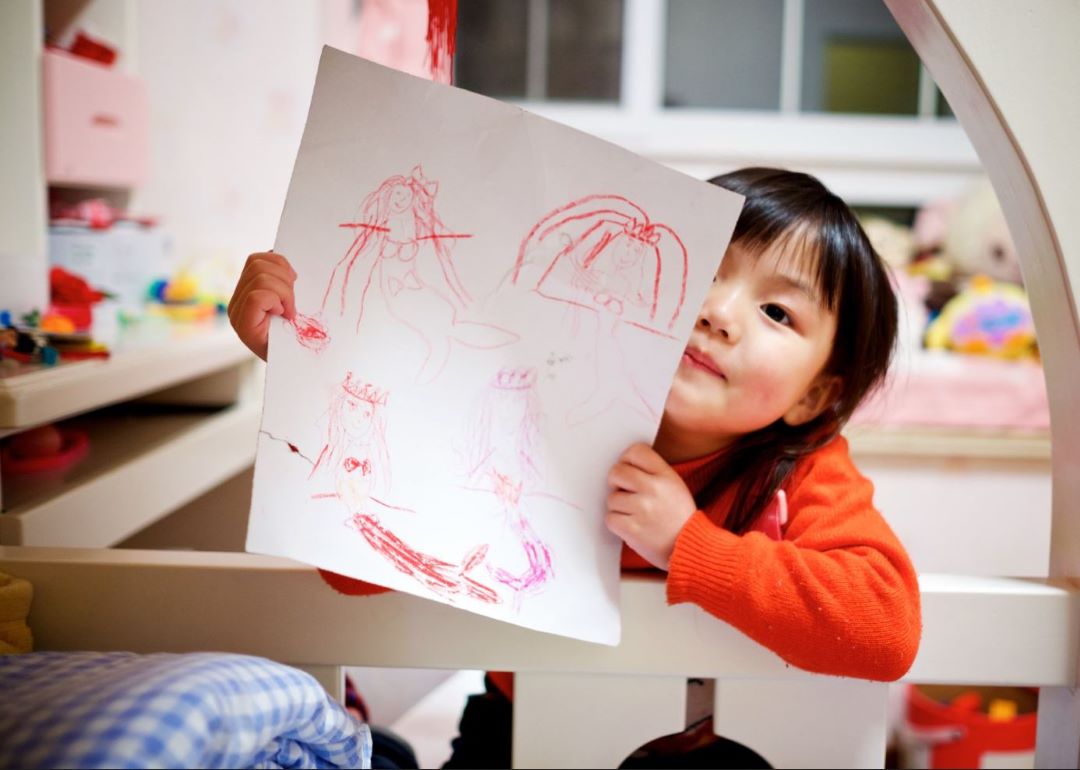

Art can be used to promote critical thinking in children by creating opportunities for teachers to engage students with artwork through thinking routines and teaching strategies that encourage reasoning and reflection.
Programs like those offered by the national gallery and museums provide access to artful thinking approaches, helping children explore meaning, practice self-reflection, and develop this important skill in class and beyond.
These methods integrate learning and active discussion, fostering habits that enhance deeper thinking and understanding.
How to use art to promote critical thinking in children’s brain?
Using art to promote critical thinking in children’s brains involves encouraging students to explore the meaning behind artwork, whether through music, visual art, or other creative expressions.
Teachers can guide thinking routines that help students analyze and interpret, fostering an important skill for becoming critical thinkers.
Teaching critical thinking through art allows students to begin creating their own works while learning to ask critical thinking questions in art and make connections.
This strengthens critical thinking by turning the class into a space where art inspires thoughtful exploration and deeper understanding.

Does art boost a student’s critical thinking?
Yes, art does boost a student’s critical thinking by encouraging them to explore multiple interpretations and engage in deep reasoning about the world around them.
For example, in an art class, teachers can ask students to analyze how a painter conveys emotions through color or how a sculpture reflects elements of a specific culture.
By encouraging students to question and interpret art, teachers can cultivate dispositions such as curiosity, open-mindedness, and the ability to evaluate ideas critically.
Arts integration within the art school curriculum promotes cross-disciplinary learning, where understanding abstract concepts in math or science becomes more accessible through visual or hands-on artistic expression.
Furthermore, the main focus of contextual criticism in art is to help students understand the societal, historical, and cultural significance of a piece, fostering their ability to connect art to the broader world.
Teachers can strengthen critical thinking in art classrooms by presenting open questions such as, “What might the artist be implying about their culture?” or “How does this artwork challenge traditional ideas?”
Ultimately, the process of interpreting and creating art equips students with the skills to analyze, evaluate, and apply knowledge in meaningful ways, helping them succeed academically and beyond.

What are examples of critical thinking art activities?
Examples of critical thinking art activities include asking children to observe a painting and describe what they see, encouraging them to explain the possible meaning behind the artwork and how it makes them feel.
Activities such as creating a collaborative art project based on real-life themes or aspects of culture provide hands-on approaches to fostering creativity and reasoning.
Open-ended questions like “What story do you think this artwork is telling?” or “How do you think this connects to the world today?” can guide students through processes of self-reflection and understanding.
Integrating art with other subjects, such as math, helps develop critical thinkers by exploring patterns, symmetry, and proportions within artworks, bridging learning across domains.
Thinking routines like “See, Think, Wonder” promote artful thinking and establish a deeper connection to the arts through museum access or even virtual experiences.
Activities designed for preschoolers often involve arts integration, asking them to create simple pieces and reflect on their meaning, building foundational thinking dispositions.
By engaging with up-to-date information and applying thinking routines, students are equipped with skills to interpret, reflect, and reason within and beyond the classroom, enhancing their connection to art backgrounds and the creative process.

How does art help students academically?
Art helps students academically by enhancing critical thinking skills, fostering creativity, and providing a foundation for solving complex problems, such as math problems, through arts integration.
Studies from institutions like the Harvard Graduate School and the National Gallery reveal that art education not only boosts students’ ability to think critically but also equips them with important skills for both the classroom and the world beyond.
For instance, middle school students participating in artful thinking routines have shown improvements in analyzing ideas, forming connections, and understanding abstract concepts.
A classroom teacher successfully integrating art into the curriculum enables students to begin creating meaningful artwork while linking it to other subjects like science and history, yielding a more comprehensive learning experience.
Research indicates that art education positively impacts academic performance, with schools incorporating arts integration reporting higher student engagement and improved test scores.

Statistics demonstrate that students exposed to regular art classes are four times more likely to be recognized for academic achievement.
Furthermore, such programs nurture creativity, an essential process for meaningful life experiences, allowing students to think beyond standardized methods.
While the pros of art education are immense—including fostering emotional expression, enhancing cognitive development, and encouraging collaboration—the cons may center around limited funding and time constraints in schools.
However, teaching critical thinking through art courses and online resources continue to provide innovative solutions for integrating arts education effectively.
The importance of studying art extends beyond creating artwork; it equips students with skills such as collaboration, problem-solving, and adaptability, preparing them for a future in a rapidly changing world.
Classroom teachers, with the right tools and ideas, can inspire students to explore their creativity, contributing to a more vibrant and engaging educational environment.

How does art help cognitive development?
Art helps cognitive development by developing skills such as reasoning, focus, and empathy through the process of creating and interpreting artwork.
For example, activities like painting and drawing encourage students to use artful thinking routines, allowing them to form connections between ideas and develop deeper meaning in their work.
When teachers incorporate arts integration into their classrooms, they provide students with opportunities to engage in thinking routines that boost crucial skills like spoken and written language, self-control, and problem-solving.
Studying art also enhances communication skills as students learn to express their thoughts and emotions through creative means, while art courses help foster an understanding of culture and context.
By introducing young learners to artistic practices in the household or classroom, parents and teachers play an essential role in teaching critical thinking and art improving learning outcomes.
Additionally, engaging with art helps students build connections between subjects like math and art, creating a holistic educational experience.
Whether in a national gallery, art class, or at home, the importance of art in promoting cognitive and social growth for students is undeniable.
If you have a child who is enthusiastic about art, read to understand how do you support an artistic child!
Through teaching, learning, and beginning to create, students become equipped to explore the world with a more profound sense of awareness and curiosity.

How does art promote critical thinking?
Art promotes critical thinking by encouraging students to deeply analyze and interpret the world around them, appreciating the complexity and layered meanings within artwork.
Programs like those supported by the Harvard Graduate School and institutions such as the Washington International School emphasize teaching critical thinking through engaging art education strategies.
Classroom teachers utilize thinking routines and arts integration to help students strengthen critical thinking skills by closely observing paintings, sculptures, and other visual arts.
This process allows students to connect ideas, foster understanding, and apply creative problem-solving to real-world situations, including tackling math problems or interpreting cultural nuances.
Whether in an art class, an online course, or through museum access such as the National Gallery, students are given the tools to explore meaning, create connections, and engage in meaningful learning. Check out how to know if your child has a talent in art or drawing?
By incorporating up-to-date information and artful thinking techniques, education systems ensure that students develop strategies to effectively interpret artwork, understand diverse perspectives, and apply these insights in classrooms and beyond.

How do you encourage critical thinking in children?
You encourage critical thinking in children by asking them for their opinion and sparking curiosity about what they think of an art piece, a project, or even a science experiment.
Provide opportunities for them to observe closely and explore multiple interpretations of an artwork or a painting, helping them understand its cultural or emotional meaning.
Encourage your child to think creatively by coming up with different solutions to a challenge, whether it’s in a school subject like science or even during art classes for kids or arts integration activity.
Ask open-ended questions that prompt students to discuss their reasoning and understanding, which helps develop critical thinking skills.
For example, a classroom teacher or an online course could use artful thinking routines with middle school students to teach problem-solving and cultural exploration.

Once your child has created a few solutions to a problem, help them evaluate each one by identifying the pros and cons.
This process could be applied to many scenarios, such as interpreting an art piece at the National Gallery or completing a class project that spans multiple school subjects.
By reflecting on their choices, children learn to make informed decisions and better understand the world.
Through activities like these, students and teachers can integrate critical thinking into the classroom to deepen learning across education.
Museums, art backgrounds, and teacher-guided programs offer opportunities to connect reasoning, art and critical thinking, helping students blend creativity with logic in meaningful ways.

How can the arts promote creative thinking?
The arts promote creative thinking by encouraging individuals to explore and observe the world around them through a variety of mediums such as painting, drawing, and music.
When students and teachers engage with artwork, they connect sensory and cognitive experiences, which stimulate the brain and foster new ideas and perspectives.
This process, often referred to as an aesthetic experience, allows participants in the classroom to reflect on the importance of creativity in learning and develop critical thinking skills.
Arts integration within education—including subjects like math, science, and social studies—uses thinking routines and strategies to help foster meaningful reasoning and understanding.
Teachers can encourage artful thinking by using open-ended questions that prompt students to consider the cultural and educational significance of visual arts, as well as how these practices relate to their everyday life.
This approach nurtures critical thinkers capable of finding meaning in their work and the world, highlighting the importance of creativity as an essential skill for a meaningful life.
Such up-to-date information supports the role of the arts as an important skillset in developing thinking disposition and integrating valuable lessons for students in any course.

How does creativity help official thinking?
Creativity helps official thinking by encouraging individuals to observe and reflect on new ideas while exploring the importance of culture and the world around them.
Through arts integration and hands-on approaches such as painting, creating artwork, and engaging in projects, students develop critical thinking skills and strengthen their ability to think non-linearly.
This process fosters reasoning, self-reflection, and the ability to successfully integrate strategies from art class into other aspects of life and learning.
Teachers can engage students in fun ways that develop important skills, teaching them to understand the process of creation and the value of reflection. For more details, learn what is the best way to teach art to children here!
What are the benefits of art classes for kids in Singapore? By exploring diverse perspectives and integrating creative thinking, students begin creating and understanding concepts in science, class projects, and beyond, equipping them as critical thinkers for the world today.
Leave a Reply