
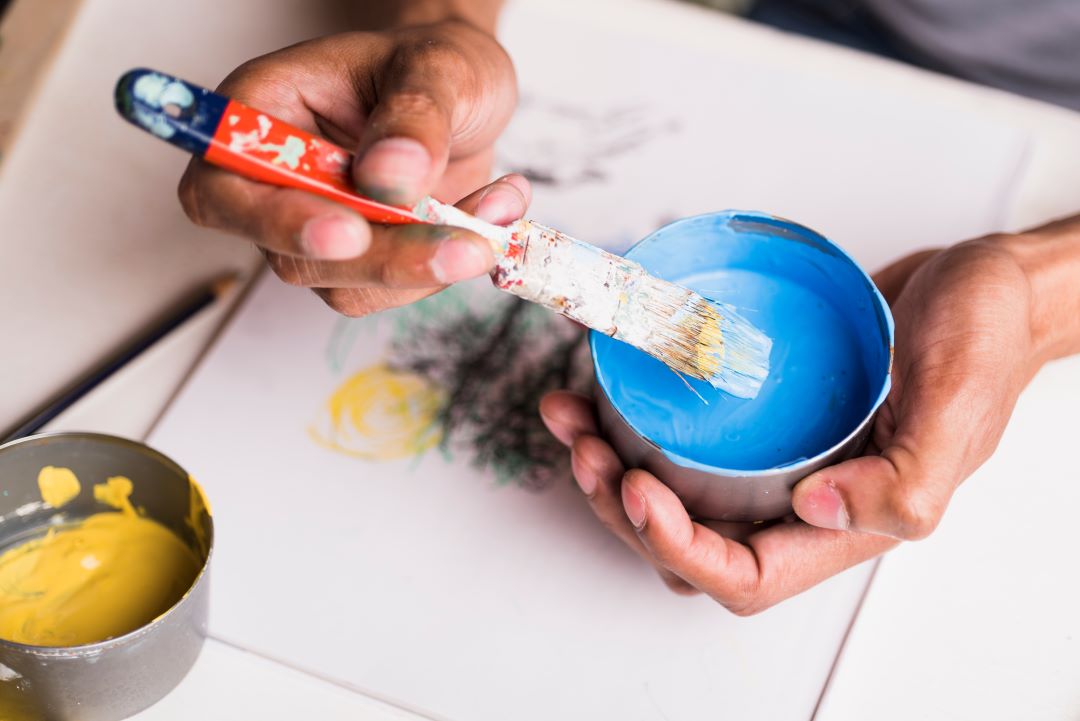

The top 10 beginner oil painting mistakes to avoid include overusing grey and black paint, which can make artwork appear dull, and overusing titanium white, leading to a washed-out effect.
Beginners often fail to pay close attention to tone and value, resulting in less dynamic compositions, or neglect sharpening edges, which can leave paintings looking unfinished.
Not mixing proper transitional shades and relying on overly saturated colors can create an unnatural appearance.
Mixing colors directly as you paint without preparation might lead to muddy or blocked results. Additionally, skipping the use of mediums may prevent smooth blending, while failing to plan composition often leaves you scraping off dried paint to start over.
Excessive use of solvent can further compromise the quality of the oil-based paint. Proper planning and technique can help artists avoid these common pitfalls.

What are the common oil painting mistakes beginners make?
The most common oil painting mistakes beginners make include failing to prepare the surface properly with gesso, which can lead to uneven texture on the canvas, and applying paint to a wet or blocked surface that doesn’t allow the layers to dry completely.
Many new painters struggle with understanding how to use linseed oil or turpentine correctly, often leading to issues with thinning the paint or creating the wrong consistency.
Mistakes also occur when painters try to remove paint with a dry cloth instead of a clean, soft cloth, or when they fail to cover the canvas adequately to protect it.
Additionally, skipping steps in indirect painting or improper execution of the wet on wet technique can compromise the final result.
Overlooking the importance of light, varnish application, and layering can further hinder the outcome, while neglecting to clean brushes with liquid cleaner or ensure a surface is completely dry adds to various challenges.

1) Overusing grey and black paint
A common mistake many artists make with oil-based paint is relying too heavily on grey and black tones to create shadows or deepen colors.
While these colors are essential, overusing them can make your painting appear too heavy and dominant, ultimately decreasing its vibrance.
This can result in a muddy or blocked appearance, causing the layers of your artwork to lose their depth and energy.
To avoid this mistake, try mixing complementary colors to achieve rich, dynamic shadows and darker tones instead of defaulting to black.
When adding layers, remember to slightly adjust the tones to keep your painting lively and balanced.
Building up shadows with multiple coats instead of a single harsh application can also help preserve the vibrance beneath.
Always allow sections of wet paint to settle before adding more so the colors do not become overly saturated or dull.
By incorporating these techniques, artists can avoid the common pitfalls of overusing grey and black in their work.

2) Overusing titanium white
Overusing titanium white is a common mistake beginners make when trying to achieve lighter tones in their oil paintings.
While titanium white is an essential color due to its opacity, it can quickly lead to a garish chalkiness that easily overpowers other colors, making the painting appear flat or unnatural.
This often happens because titanium white is much stronger than many expect and can a palette can be dominated and blocked if not used sparingly.
A solution to this issue is to practice mixing titanium white in small amounts with other colors instead of applying it directly in large quantities.
This will help maintain the vibrancy of the colors and avoid an unnatural chalky finish.
Additionally, if you’ve already overused titanium white, gently remove paint while still wet using a palette knife or a clean rag before it sets.
Keep in mind, as oil paint dries slower than other types of paint, you have time to make adjustments by removing oil-based paint as needed.
Learning to use titanium white in moderation will improve your control and enhance the depth in your artwork.

3) Not paying close attention to tone and value
Failing to focus on tone and value is a common mistake that can prevent your painting from achieving depth and realism.
Beginners often use oil paint without properly considering the contrast between light and dark areas, causing their artwork to appear flat or muddy.
Another issue arises when they’re unaware of how oil based paint dries – often slightly darker than it appears when wet – which can unknowingly alter the intended values in the painting.
Misjudging tone can also happen if excess paint is applied too quickly without allowing the first layer to dry completely, leading to a smudged or messy look.
Additionally, not cleaning brushes between colors can muddy tones further. To avoid this, set a strong foundation by carefully planning the light and shadow areas in your painting.
When laying down the first layer of paint, use as much paint as necessary but avoid overloading your brushes.
Allow each layer of paint to dry completely before moving on to prevent unwanted blending. Additionally, using a small amount of solvent to thin the paint can help achieve more precise tones without excessive buildup.
Regularly clean your brushes to maintain clean and vibrant tones. Finally, remember that oil paint’s natural properties lead to a glossier finish, which highlights both the tones and values when properly executed. This extra preparation can ensure your painting achieves the intended depth and balance.

4) Not focusing on edges
One common mistake beginners often make is neglecting the edges in their compositions. Poorly defined edges can make an artwork appear unpolished or unrealistic.
This happens when transitions between elements in an oil-based paint piece are either too harsh or too blurred, disrupting depth and focus.
Beginners may rush through edges or fail to understand where to create softer or harder transitions, depending on the subject.
A solution to this issue is to carefully study reference images and observe how edges vary between objects in different lighting and distances.
Using a prepared canvas coated with a wash of acrylic gesso or real gesso can help ensure the paint adheres evenly, allowing better control over transitions.
For painters working on traditional surfaces such as rabbit skin glue-prepped canvases, having a good initial coat creates a solid foundation to manage edges effectively.
Practice blending techniques with both acrylic and oil paints to create smoother gradients and more realistic transitions.
By intentionally focusing on edges, artists can bring a sense of realism and depth to their paintings.

5) Not mixing transitional shades
A common mistake for beginners in oil painting is neglecting to properly mix transitional shades between colors.
This can create harsh, unnatural boundaries in the artwork, disrupting the flow and texture of the piece.
Transitional shades are essential for achieving smooth gradients and realistic depth in a painting, especially when working with wet-on-wet techniques using oil-based paint.
Without these shades, paintings may appear flat and disjointed. To avoid this mistake, artists should focus on blending thin, liquid layers of paint to create seamless transitions.
Using a soft brush or palette knife can help spread colors evenly while maintaining the desired texture.
Practicing this technique repeatedly helps build confidence and ensures smoother, more dynamic results in future works.

6) Using over saturated colours
Beginners often gravitate towards using overly saturated colors in their paintings, thinking it will make the artwork more vibrant. However, this can lead to a painting that feels unrealistic or visually overwhelming.
Oil based paints can appear glossier and more intense when applied straight from the tube, and without careful consideration of light and dark areas, the colors may lack balance.
To create a more sophisticated finish, aim to mix paints thoroughly, incorporating muted tones or a wider range of transitional shades.
Using a brush to blend different hues can help avoid blocked, harsh areas of color while achieving depth and harmony in your work.
Remember, subtlety in tones often creates a more impactful and realistic piece.

7) Mixing colours as you paint
Mixing colors directly on the canvas as you paint can lead to inconsistent tones, muddy effects, and a lack of control over your painting.
Beginners often make this mistake by skipping the step of properly blending their paints on a palette, which is essential for achieving smoother transitions and harmonious hues.
When colors are hastily combined with a brush on the canvas, the result can be unintended streaks or a patchy painted surface.
To avoid this, it’s crucial to use a palette knife to mix your paints thoroughly before applying them. A well-prepared mixture allows for a greater balance between colors and ensures a polished finish.
Incorporate mineral spirits, turpentine, or liquid mediums to adjust the consistency of your oils if needed. Planning your palette in advance also ensures you have the right transitional shades ready to go.
This technique not only improves your brushwork but also reduces over-layering, which can interfere with your varnish coats during the final stages of finishing your artwork.
Practice patience while mixing—your canvas will reflect the effort.

8) Not using mediums
A common mistake beginners make is not incorporating mediums into their oil painting process. Unlike water-based paints such as acrylic paints, oil-based paint offers a broader range of techniques and flexibility when mixed with mediums.
Mediums can alter the consistency, drying time, and finish of the paint, making it easier to achieve specific effects and work more effectively on the canvas.
Without mediums, beginners often struggle with dried paint that is too thick or hard to manipulate, leading to difficulties in blending or layering.
To solve this, beginners should experiment with small amounts of mediums to understand their behavior.
For example, liquid mediums can make brushstrokes smoother and allow finer detail, while using oils enhances the richness of colors.
Mediums can also help extend the paint, preventing the need to scrape off mistakes when working with thick oil-based paint.
By utilizing a wider range of mediums, beginners can improve their painting techniques and achieve better outcomes.

9) Not planning composition first
One common mistake beginners make is diving into their painting without properly planning the composition first.
Without a clear concept of how elements will come together on the canvas, the painting can easily feel disorganized or incomplete.
Artists may find that critical areas are blocked in poorly, or that the sequence of layers doesn’t serve the intended vision.
This can be particularly problematic with techniques like wet on wet, where precise control is needed to achieve the desired effect.
To avoid this mistake, start by sketching a basic outline of your composition with a soft cloth or a fine layer of paint thinned with linseed oil.
Planning the placement of key elements ensures the first layer is guided and intentional. Use tools like a palette knife or brushes to block in the major shapes before using oils for detailed work.
If you find a mistake, use a soft cloth to remove paint or adjust it while the oil paint is still wet.
Proper planning not only allows for better use of paints but also ensures the canvas is painted cohesively as the oils dry.
By taking time to visualize and lay out the composition in advance, artists can create a stronger foundation for their work and avoid unnecessary frustration during the painting process.

10) Using too much solvent
Using too much solvent, such as turpentine, is a common mistake among beginners working with oil-based paints.
Overloading your mixture with liquid can cause the paint to lose its texture and sink into the canvas, leading to weak or uneven coats.
This practice often results in the oil paints becoming too thin, making it difficult to control how they are applied and how they interact with the brushes and the canvas.
Additionally, excessive solvent can scrape away layers of wet paint instead of building up smooth coats, ultimately compromising the overall finish of your painting.
To avoid this error, incorporate only a small amount of solvent into your mixture. Focus on maintaining a balance that preserves the texture of the oil paints while still allowing for fluid application.
Use mediums to adjust consistency instead of relying solely on solvent. Working in thin coats initially and gradually building up layers lets the paints adhere properly without excessive dilution.
By controlling your solvent usage, you’ll achieve better results and improve your overall technique with oil-based paints.

What not to do when oil painting?
When oil painting, you should not apply lean (low oil content) paint over fat (high oil content) paint, as this common mistake can lead to cracking and drying issues.
This technique violates the “fat over lean” rule, essential for the longevity of your painting. Always ensure each layer of oil paint includes slightly more oil, such as linseed oil, than the layer below.
Additionally, proper ventilation is critical while using paints, turpentine, or mineral spirits to wash paint brushes and thin mixtures, as prolonged solvent inhalation can pose serious health risks.
Avoid direct contact with these liquids and always wear a mask when necessary to protect yourself from harmful fumes.
Overusing or unnecessarily pouring excess paint or solvents can also create waste and block other aspects of your workflow.
Remember, water-based paints or acrylics do not mix with oil-based media and should not be combined on the same canvas.
By taking these precautions with oils, layers, and indirect painting techniques, you can ensure your work is safe and well-executed as your paint dries beautifully.

What is the golden rule of oil painting?
The golden rule of oil painting is “fat over lean,” meaning each successive layer of paint should contain more oil or be more flexible than the layer beneath it, preventing cracking and flaking over time.
This technique ensures that as each coat dries, the underlying layers remain stable, supporting the integrity of the painting.
Artists should also adhere to “thick on thin,” where new layers are thicker than the previous ones since thin paints and washes dry faster.
By doing so, painters avoid situations where very dry layers are on top of still wet ones, which can disrupt the drying process and result in cracked textures.
Similarly, “slow drying over fast drying” is crucial as faster-drying layers underneath can shift and cause subsequent layers to crack.
Using the correct oil medium to thin paint and control drying times helps achieve a glossier finish with soft, smooth transitions.
This process allows oil paint to dry appropriately and ensures the canvas is covered with as much paint as needed to build up the artwork’s structure and create a durable surface with rich, vibrant textures.
Artists can masterfully manipulate brushes, paints, and dried paint to achieve exceptional results in their compositions.
Now that you’ve learned the golden rule of oil painting, it is important to master acrylic/ watercolor painting as well! Here are 5 common watercolor mistakes and how to avoid them!

What should a beginner oil painter paint?
A beginner oil painter should paint still life objects, such as fruits or small landscapes, in the impressionism style to develop essential skills and techniques.
This approach allows new artists to experiment with a wider range of colors, brushstrokes, and compositions.
Many painters find that working on these subjects helps them understand how to apply oil paints in layers, building up depth and texture gradually.
Still life and small landscapes also encourage practicing mixing colors on a palette to create seamless transitions and dynamic tones.
By focusing on these fundamental techniques, layers of paint can be applied effectively, with each coat contributing to the final harmonious result. Discover the top 10 ways to improve your painting skills here!

How to correct oil painting mistakes?
To correct oil painting mistakes, first address any wet paints by using a clean cloth or rag to gently wipe off as much paint as possible. This allows you to remove excess paint from the canvas before it dries.
If the paint has already dried, many artists recommend scraping the surface carefully with a palette knife to remove any unwanted texture or layers. For thin layers of dry paint, you can apply techniques like glazing or scumbling to cover the mistake.
Glazing involves using a mixture of oil paint, linseed oil, and a small amount of mineral spirits to create transparent coats that enhance or modify the blocked areas.
Scumbling, on the other hand, can be used to add a light, thin layer of paint to soften or correct the surface.
When reworking your painting, don’t hesitate to start over if necessary—sometimes removing oil-based paint entirely and focusing on creating a new image is the best approach.
Wiping off the painting entirely with a cloth and applying new coats can help you regain control. Be sure to follow the “fat over lean” rule by gradually adding more oil to successive layers, ensuring each layer dries completely before adding the next to avoid cracking.
Use titanium white or other light tones in small amounts to brighten areas or adjust values, and allow for adequate drying time between changes.
For mistakes that can’t easily be fixed with additives or new coats, address the process methodically by cleaning the surface with mineral spirits or lightly sanding it down.
Avoid using too much solvent, as it can sink into the canvas and disrupt the drying time or texture. Remember to work carefully with oil paints and brushes, applying thoughtful techniques to maintain the integrity of the piece.
With persistence and patience, artists can recover from most mistakes and even improve their final varnish and glossier finish with added depth and detail.
Consider taking up art classes for adults at Space Bears Studio to improve your oil painting skills.
Leave a Reply