
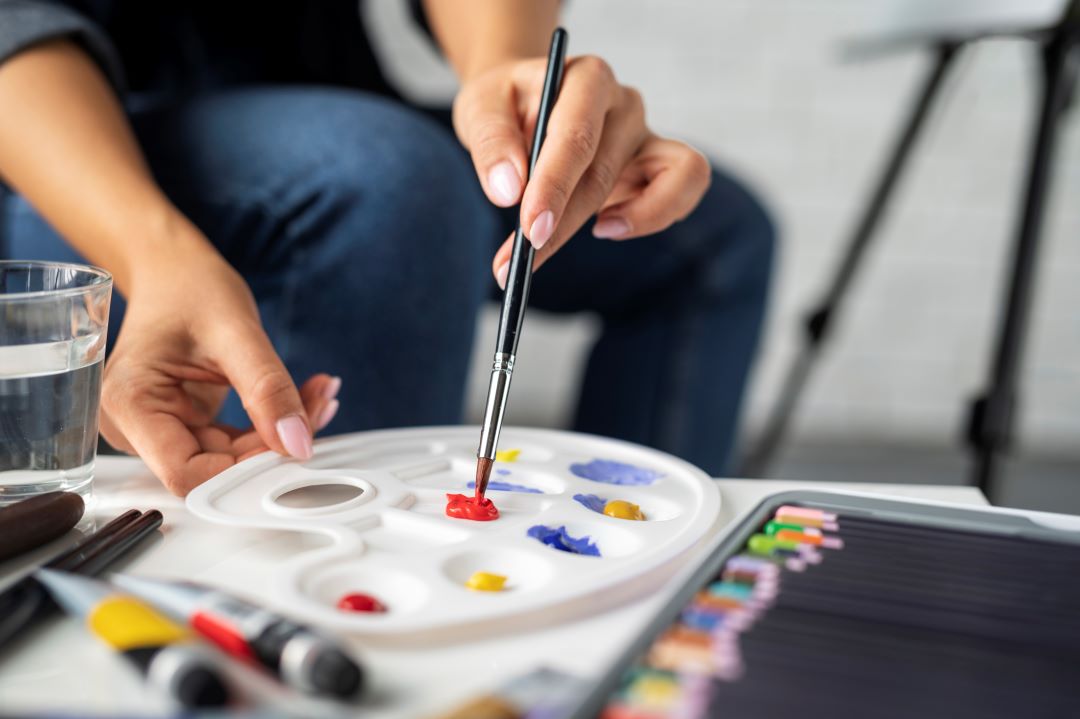

The 5 common watercolor mistakes are namely using too much water, choosing the wrong watercolor paper, overloading with too many colors, not using a proper mixing palette, and failing to apply complementary colors effectively.
These errors, such as using a wet brush excessively or drawing without planning, can lead to difficulties like bad painting results or muddy colors.
To fix watercolor mistakes and enhance your watercolor journey, it’s important to understand how much water to use, select quality watercolor paper, and learn techniques to create beautiful artwork.
By focusing on layering with a darker color or using more paint strategically, artists can avoid making the same mistakes and improve their painting skills while experimenting with blending and composition.

What are common beginner watercolor mistakes?
Common beginner watercolor mistakes include using the wrong paper, which can cause your painting to buckle or fail to absorb water properly, and using the wrong brush, which may not hold enough water or provide the desired stroke.
Self-taught artists often choose cheap paint sets that lack pigment quality, resulting in dull colors.
Overusing water can wash out the colors, while not letting the layers dry leads to smudging. Additionally, failing to premix enough paint can disrupt the creation of smooth washes.
Overworking your painting is another pitfall, as this often removes detail and vibrancy. To avoid making these same mistakes, it’s important to focus on the basics, like selecting proper materials, managing your water-to-paint ratio, and carefully working with layers.
Remember, learning to fix mistakes and observing elements like the horizon line can greatly improve your watercolor skills.

1. You’re Using the Wrong Paper
One of the most common mistakes beginners make is using regular paper or drawing paper instead of the right paper suited for watercolor.
Regular paper or mixed media paper might seem sufficient at first glance, but they are not designed to handle the wet techniques required for watercolour painting.
These papers often warp, tear, or cause paint to pool unevenly, which can ruin your beautiful artwork.
The Solution: Watercolour Beginners Should Invest in 100% Cotton Paper
Watercolor techniques rely heavily on wet washes and the interaction between the brush, paint, and surface.
Without thick paper specially designed for watercolors, even basic painting methods can become frustrating.
To avoid this, beginners should invest in high-quality 100% cotton paper. Cotton paper absorbs water more evenly, providing better control and a more professional result.
A quick tip is to always have a paper towel nearby to blot excess water and maintain balance in your work.
Using the right paper can make all the difference in creating smooth gradients and achieving the vibrant effects that watercolor is known for.

2. You’re Using The Wrong Brush
Using the wrong brush is a common mistake many beginners make when starting with watercolour painting.
Often, inexperienced artists will select brushes that are either too stiff or improperly sized for their work, leading to frustration and uneven results.
The wrong brush can cause issues with controlling water and pigment, preventing the smooth blending and soft washes that make watercolour so unique.
The Solution: Invest in Round Brushes
Invest in a high-quality round brush. Round brushes are versatile tools that allow beginners to experiment with various techniques, from broad strokes to fine details.
A good round brush can hold a sufficient amount of water, making it easier to achieve balanced washes and maintain control over your work.
Always ensure the brush is damp but not overly wet to avoid pooling on your paper. Choosing the right brush is essential for mastering watercolour techniques and achieving professional-looking results.

3. You’ve Bought A Cheap Paint Set
One of the most frequent beginner mistakes in watercolor painting is opting for a cheap paint set. Low-quality paint often results in dull, washed-out colors and makes it difficult to create dark values or achieve smooth gradients.
These paints lack the pigment strength needed for techniques like glazing or mixing complementary colors, often leaving your watercolour painting with hard edges and uneven tones.
Cheap paints can also frustrate efforts at mixing on a palette, as they might crumble or separate when combined with water, leading to bad painting results.
The Solution: Invest in Good-Quality Paint
Invest in good-quality watercolor paints. Professional-grade paints contain richer pigments, allowing for vibrant colors and smoother application.
With better paints, you’ll find it easier to layer and blend, achieving more depth and control in your watercolor paintings.
Using higher-quality materials not only helps with basic mixing but also enables advanced techniques like glazing and creating dark values with less effort.
Though initially more expensive, good-quality paints will significantly improve your painting outcomes and save frustration in the long run.

4. You’re Using Too Much Water
Another common watercolor mistakes beginners make is using too much water in their paintings. While water is a crucial part of the watercolor technique, overdoing it can lead to several issues.
Too much water can cause your colors to become overly diluted, making them appear pale or semi-transparent, which might not align with your creative vision.
Additionally, excessive water can flood your paper, leading to unwanted puddles, tearing on regular paper, or drying unevenly, which can result in a bad painting.
Using too much water can also weaken the vibrancy of your colors and make it harder to control your brushstrokes, often frustrating new artists.
The Solution: Practice the Water to Paint Ratio
Mastering the water-to-paint ratio requires practice and awareness of your materials. To start, always test how much water is on your brush by lightly pressing it on a tissue to remove excess moisture.
Using a spray bottle can help dampen your palette or paper evenly without overloading it. Opt for high-quality watercolor or watercolour paper, as this absorbs moisture better than regular paper and minimizes pooling from wet paint.
With time, experimenting with different amounts of water and observing how it interacts with your colors will refine your technique and help you strike the perfect balance.
Remember, subtle adjustments can make a massive difference in avoiding common watercolor mistakes.

5. You’re Not Letting the Layers Dry
One of the most common beginner mistakes in watercolour painting is impatience. Failing to allow your layers to completely dry before adding more pigment or water can result in muddy colors and a bad painting.
This happens because wet layers can bleed into one another, mixing unintentionally and creating an uncontrolled effect. While it’s exciting to see your artwork take shape, rushing this process often compromises the technique and precision of your watercolour.
The Solution: Use a Hairdryer or Hand Fan
To avoid this mistake, ensure each layer is completely dry before moving to the next. If you’re short on time, use a hairdryer or hand fan to speed up the drying process.
This approach will prevent too much water from pooling onto your watercolour paper, maintaining its integrity and avoiding unnecessary warping.
By carefully drying each layer, you gain more control over your brush strokes and preserve the structure of your paper and overall watercolour painting.
Patience and the right technique will make a significant difference in the quality of your artwork.

6. You’re Not Premixing Enough Paint
One common beginner watercolor mistake is failing to premix enough paint to complete your area of work, leading to inconsistent color application.
When you run out of paint mid-layer, attempting to remix the same shade can be difficult, often resulting in mismatched tones and visible streak lines on the paper.
This disrupts the fluid and seamless look that watercolors are known for. Fixing such mistakes can be challenging, as watercolor paint is transparent and builds upon previous layers.
The Solution: Premix Adequate Amounts of Paint
To avoid making this mistake, ensure you premix an adequate amount of paint before starting your work.
Use a palette to mix the desired color and test it using a scrap piece of watercolor paper to confirm the tone.
If you anticipate needing a lot of paint, gradually add water to your mixture while maintaining the right water-to-paint ratio.
Practicing this technique will help you avoid interruptions and create smooth, beautiful washes on your artwork.

7. You’re Overworking Your Painting
A common mistake among beginner watercolorists is overworking their painting. This happens when too many layers, adjustments, or corrections are made in an attempt to “fix” perceived flaws.
Overworking can lead to muddy colors, unwanted textures, and a loss of the vibrant transparency that makes watercolor so unique. It’s important to remember that less is often more with this medium.
The Solution: Less Is More
Focus on planning your composition and color palette beforehand to minimize overworking.
Practice restraining yourself from constant corrections—allow the paint and water to work together naturally.
If you feel the urge to fix something, take a step back and assess whether it truly needs adjustment. Remember, the beauty of watercolor lies in its imperfections and spontaneity.

What are 3 common mistakes that people make when using watercolor?
When using watercolor, the 3 common mistakes that people make include using too much water, not allowing the layers to dry completely, and overworking the paint.
Using too much water can lead to muddy colors and a bad painting outcome as the water overwhelms the pigments and causes them to spread uncontrollably on the watercolor paper.
To fix watercolor mistakes like this, practice controlling the water to paint ratio and use a spray bottle for precise dampening rather than oversaturating your brush or paper.
Not allowing the paper to dry fully between layers is another common error, as wet layers can mix unintentionally, creating the same mistakes of muddy or unclear textures.
Using a hairdryer or letting the paper dry naturally before applying more layers can help keep the painting clean and layered correctly.
Finally, overworking the paint, by repeatedly brushing over an area, often damages the paper and creates uneven patches or dull areas.
Instead, try using fewer strokes and focus on a lighter technique, knowing when to stop adding too many colours.
For darker colour details or corrections, white gouache can help adjust imperfections without further straining the watercolor paper.
Remember, avoiding these watercolor mistakes will improve your watercolour technique and make your work more vibrant and effective.
Now that you’ve know the 3 common watercolor mistakes, check out how to avoid common painting mistakes here!

What is the golden rule of watercolor?
The golden rule of watercolor is to work from light to dark, as this allows the transparent nature of watercolor to shine through. Unlike other mediums, watercolors lighten as they dry, so watercolor artists must anticipate how the colors will evolve on the paper.
White in watercolor painting doesn’t come from paint but rather from the watercolor paper itself, making it crucial to preserve lighter areas.
Additionally, mastering the wet-on-wet and wet-on-dry watercolor techniques can significantly enhance a watercolor artist’s skills.
Wet-on-wet involves adding wet paint onto wet paper, creating soft, blended effects ideal for backgrounds or atmospheric elements, while wet-on-dry adds more precision, letting darker colors build defined details.
Working with too many colours at once can muddy the painting, so artists often recommend starting with straightforward hues like cadmium yellow.
Ensuring the drawing paper is completely dry when needed or using intentional wet, overlapping layers brings control and depth to the watercolor painting process.
A thoughtful watercolor journey involves understanding the balance of paper, water, and more paint, nurturing a technique where fewer mistakes lead to illuminating, vibrant artwork.
Watercolor is very different from oil painting, check out the top 10 beginner oil painting mistakes to avoid!

How to avoid hard lines in watercolor?
To avoid hard lines in watercolor, first focus on wet-on-wet techniques where you introduce plenty of water to blend colors seamlessly before the paint dries.
This approach gives your artwork a softer, more natural appearance. Use a clean and damp brush to lift excess paint if necessary, ensuring the paper doesn’t dry too quickly.
Avoid dry brush strokes, as these can leave unwanted marks that disrupt the flow of your watercolor painting.
Consider masking areas to protect highlights or create crisp edges while maintaining smooth transitions in other parts.
Always use good quality watercolor paper, like thick paper designed specifically for watercolour, to prevent warping and allow layers to build effectively.
A watercolor artist must learn how much water is optimal for their technique—too much water can dilute the vibrancy of the colors, while too little may prevent proper blending.
Start painting with a well-prepared mixing palette and explore the use of complementary colors for depth and contrast.
This will help elevate your watercolour journey and avoid the pitfalls of creating a bad painting.
If you want to improve your watercolor skills, consider joining art classes for adults at Space Bears Studio!

What are some difficulties with watercolor?
Some difficulties with watercolor include managing water control, as knowing how much water to use can be challenging, especially for new artists.
Uneven drying can lead to hard edges in the artwork where wet paint dries inconsistently on the watercolor paper, making it crucial to use the right paper.
Cheap or small brushes often lack precision, causing artists to struggle with their technique and potentially creating a bad painting.
Similarly, using regular paper instead of thick or mixed media paper can result in buckling or tearing.
Cheap watercolor paints often produce pale colors, making it difficult to achieve dark values and create beautiful artwork.
Layering and glazing techniques add another challenge, as adding a new layer before the paper is completely dry can muddy colors.
To avoid the same mistakes other artists make, tools like a clean brush, damp brush, cotton bud, or paper towel can help refine details and control wet paint.
Ensuring the first wash and subsequent layers are semi-transparent and using a limited palette can help bring harmony to a watercolour painting.
By addressing these issues and using high-quality materials like watercolor paper designed for painting, artists can overcome challenges and produce stunning works.
Leave a Reply