
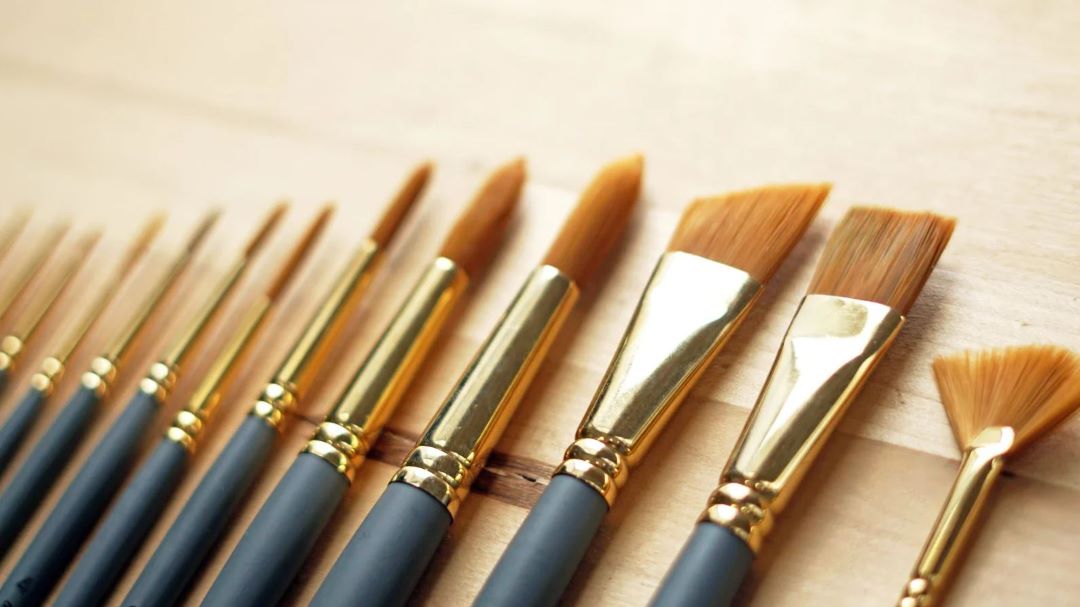

The different types of paint brushes include flat brushes for bold strokes, round brushes for detail work, angled brushes for precision, and fan brushes for blending and texture, each suited for specific painting techniques and effects.
Other types of brushes include filbert brushes for blending and creating soft edges, liner brushes for fine lines, and mop brushes for washes and blending. Some brushes also have specific uses, such as the fan blender brush for smoothing out colors and creating gentle transitions.
How many types of paint brushes are there?
There are 24 types of paint brushes, but the most popular ones include round brushes, flat brushes, filbert brushes, and fan brushes. These brushes are designed for specific purposes, such as creating fine details, covering large areas, blending colors, or adding texture. Each brush type varies in shape, size, and bristle material, offering versatility for different artistic techniques and mediums.

What are the types of paint brushes and their uses?
The types of paint brushes include flat, round, Filbert, liner, angular, fan brushes, and more, each designed for specific techniques and effects.
Flat brushes are ideal for broad strokes and covering large areas with even layers of paint. Round brushes, with their pointed tip, are versatile for creating fine details or smooth lines.
Filbert brushes combine the benefits of flat and round shapes, offering a smoother finish for blending and soft edges, while liner brushes, with their long and thin tip, are perfect for fine point details and intricate patterns.
Angular brushes are great for strong strokes and sharp edges, making them suitable for precise angles and corners.
Fan brushes are best for adding texture or blending, as they can create soft transitions and large washes of color.
Paintbrushes also come in specialty shapes like dagger, mop, or rigger brushes, which cater to unique techniques such as detailing or creating dramatic effects.
Understanding these shapes and their uses helps artists achieve specific styles and bring their visions to life.

What are the 24 types of paint brushes?
The 24 types of paint brushes are namely flat brushes, wash brushes, angled brushes, fan brushes, round brushes, linear brushes, bright brushes, Filbert brushes, mop brushes, rigger brushes, sword brushes, waterbrushes, varnishing brushes, trim brushes, foam brushes, stippler brushes, Filbert Rake brushes, Dagger Striper brushes, Stencil brushes, needle pointed brushes, fandango brushes, whale’s tail brushes, wave brushes, and fountain brushes.
Each type serves a specific purpose in painting. For example, flat brushes are perfect for creating bold, even strokes and filling large spaces, while round brushes are ideal for fine details and lines.
Fan brushes are commonly used for blending and creating textured effects like foliage or clouds. Filbert brushes, with their rounded edges, blend colors smoothly, making them versatile for both detail and broader strokes.
On the other hand, mop brushes are great for covering large areas with soft blends, while rigger brushes provide precision for intricate details.
Acrylic painting often utilizes brushes like angled brushes for sharp edges and foam brushes for smooth, streak-free backgrounds.
The type of brush hair, natural or synthetic, further impacts the texture and finish, offering artists a wide selection tailored to their technique and medium.

How many types of paint brushes are there in the world?
In the world, there are 24 different types of paint brushes, but the most popular types of paintbrushes are round, liner, wash, angular wash, and fan brushes.
Each brush shape serves a unique purpose, making them versatile painting tools for various applications.
Round brushes are ideal for creating fine details and smooth brush marks, while liner brushes excel in adding intricate lines or highlights.
Wash brushes are perfect for covering large flat surfaces and blending colors seamlessly.
Angular wash brushes, with their slanted edges, are great for precision in corners or along straight lines.
Fan brushes, with their unique rounded edges, are used for blending and creating subtle textures like foliage or clouds.
When it comes to painting walls, flat brushes and synthetic brushes are commonly used as they are suited for even strokes and durability.
For cleaning purposes, specialized brushes designed for scrubbing or delicate surfaces ensure efficient results.
Furthermore, synthetic brushes are a go-to choice for acrylic painting as they handle the thicker consistency of acrylic paints well.
On the other hand, watercolour brushes, which often use softer natural or synthetic hair, allow for better absorption and control of watercolors.
The variety in brush shapes, hair types, and uses demonstrates the importance of selecting the right tool for each task, ensuring the best possible artistic or practical outcome.

What are the types of paint brushes for acrylic painting?
For acrylic painting, the types of paint brushes include synthetic brushes with various shapes like round, flat, Filbert, angular, and fan.
Each brush shape serves a specific purpose, making them versatile tools for creating stunning acrylic artworks.
Flat brushes are ideal for covering large areas and creating bold, broad strokes, while round brushes excel at small details and precise lines.
Filbert brushes combine the qualities of flat and round brushes, making them perfect for blending and soft edges, particularly when working on flowers.
Angular brushes, with their slanted edges, are great for tight corners or creating sharp, controlled strokes.
Fan brushes are best for blending and adding texture, such as foliage or clouds.
Liner brushes, with their thin, long bristles, are specifically designed for fine details and intricate patterns, often used for highlights and outlining.
Beginners may experiment with watercolour brushes for their flexibility and control, which can also work well with acrylics.
Acrylic paint brush sizes range from very small for detailed work to larger ones for covering extensive areas, ensuring artists can adapt their tools for diverse creative needs.

What are the types of paint brush bristles?
The types of paint brush bristles include natural bristles and synthetic bristles, each offering distinct advantages depending on the application.
Natural bristles, often made from animal hair such as hog, badger, or sable, are prized for their ability to hold more paint and create smooth, even strokes, making them ideal for oil-based paints.
These paintbrushes with natural hair are flexible, durable, and well-suited for detailed work.
Synthetic bristles, made of materials like nylon or polyester, are designed for water-based paints, as they resist absorbing water and maintain their shape.
This bristle type is more affordable and versatile, catering to various surfaces and painting techniques.
Regardless of whether the bristles are natural or synthetic, the quality of the art paintbrush profoundly influences the final outcome of a painting project.

What are the types of paint brush hair?
The types of paint brush hair include natural bristles and synthetic bristles, each suited for different painting techniques and styles.
Natural bristles, sourced from materials such as hog hair, horsehair, sable, badger, and goat hair, are valued for their ability to hold paint well and produce smooth, even strokes.
Paintbrushes made with natural bristles are ideal for oil paints and heavy-bodied paints since they can effectively capture and distribute different shades of color.
For instance, sable hair brushes are known for their precision and soft bristle type, making them perfect for detailed work, while hog hair brushes offer stiffness and durability for textured applications.
On the other hand, synthetic brushes, often made from nylon or polyester, are designed to mimic natural bristles while being more affordable and resistant to wear from water-based paints.
These synthetic bristles are versatile, offering reliable performance across various mediums while excelling in retaining their shape over time.
Both natural and synthetic brushes serve unique purposes in the artistic process, allowing artists to experiment and achieve their desired creative outcomes.

What are the 5 different paint brushes?
The 5 different paint brushes are the flat brush, round brush, Filbert brush, angled brush, and fan brush.
Flat brushes are versatile paintbrushes with squared-off edges, ideal for filling large areas and creating bold, thick lines with minimal brush marks.
Round brushes, with their pointed tip, are excellent for detail work, fine lines, and controlled strokes, making them a popular choice for various brush shapes.
Filbert brushes are known for their rounded edges, allowing smoother finishes and blending, making them perfect for creating softer shapes and natural transitions.
Angled brushes, often called liner brushes, have slanted bristles that allow for precision and versatility in creating sharp lines and intricate details.
Lastly, fan brushes have fanned-out bristles, which are great for blending, soft textures, and spreading paint evenly across surfaces.
These brush types are essential tools for achieving diverse effects and styles in painting.

What is the best type of paint brush?
The best type of paint brush is dependent on the specific painting technique and medium you are using.
For oil paint, a hog hair paintbrush is often the preferred choice due to its natural hair, stiffness, and durability, allowing it to hold more paint and effectively handle the thicker texture of oil paint.
When working with acrylic paint, synthetic bristles are highly recommended as they are designed to withstand the quick-drying nature of the medium, making them ideal for smooth applications and precision.
For detail work or intricate designs, brushes with fine, long hairs allow for greater accuracy, while those used for filling or covering large areas should have broader shapes to apply more paint efficiently.
Choosing the right paintbrushes tailored to your project ensures optimal results, no matter the medium.
Choosing the wrong brush can lead to disappointing results in your paintings! In addition to selecting the right brush, explore our tips on how to avoid common painting mistakes!

What are 24 types of paint brushes and uses?
The 24 types of paint brushes are flat brushes, wash brushes, angled brushes, fan brushes, round brushes, linear brushes, bright brushes, Filbert brushes, mop brushes, rigger brushes, sword brushes, waterbrushes, varnishing brushes, trim brushes, foam brushes, stippler brushes, Filbert Rake brushes, Dagger Striper brushes, Stencil brushes, needle pointed brushes, fandango brushes, whale’s tail brushes, wave brushes, and fountain brushes.
Flat brushes have a rectangular shape and straight, flat bristles, ideal for bold strokes, filling large areas, or creating sharp edges.
Wash brushes, with their wide bristles, are excellent watercolour brushes for covering broad strokes or softening edges.
Angled brushes, also known as slanted brushes, have a diagonal tip that offers great control for painting precise lines or corners.
Fan brushes feature bristles spread out in a fan shape, perfect for blending, softening edges, or painting textured effects.
Round brushes, with their rounded tip, are versatile tools used for detail work, line work, and creating various shapes depending on the pressure applied.
Linear brushes, or script brushes, have long hairs and a fine tip that ensure accurate strokes for small details and lettering.
Bright brushes are similar to flat brushes but have shorter bristles, giving artists greater control when applying paint in a stippling technique or for blending colors.

Filbert brushes combine the best of flat and round brushes with their rounded edges, making them suitable for creating soft, natural shapes and smooth curves.
Mop brushes have soft, large bristles and rounded tips, which are perfect for blending and soft washes in watercolor painting or creating clouds and light textures.
Rigger brushes feature long, thin bristles designed for making fine lines, detailed work, and intricate highlights in watercolor or delicate acrylic art.
Sword brushes have a long, angled shape, providing artists the flexibility to work on sweeping lines and bold strokes.
Waterbrushes, equipped with a reservoir of water within their handle, are excellent for watercolor painting on-the-go or blending with great control.
Varnishing brushes, with their soft, wide bristles, are designed for even application of varnish over painted surfaces.
Trim brushes are typically long-handled brushes used for painting edges and reaching narrow spaces.
Foam brushes, made of synthetic foam rather than bristles, excel at applying smooth coats of paint or varnish to flat surfaces without leaving streaks.
Stippler brushes, often used for creating textures, have densely packed bristles that allow for small, dotted effects or bold texture creation.

Filbert Rake brushes come with specialized, comb-like bristles that are great for creating hair, grass, or fur details with their textured stroke.
Dagger Striper brushes feature bristles shaped like a dagger’s edge, suitable for turning out elegant curves or tapered lines.
Stencil brushes are short and firmly packed, enabling precise stenciling with oil, acrylic, or fabric paints.
Needle pointed brushes have extremely fine tips that cater to miniature details and intricate accents on tiny surfaces.
Fandango brushes offer unique bristle arrangements for playful, abstract designs.
Whale’s tail brushes, with their split-bristle design, are ideal for achieving dual strokes or intricate textures in one effort.
Wave brushes provide a wavy bristle edge to create visually stimulating patterns and textures.
Lastly, fountain brushes use specially designed synthetic filaments that allow continuous paint flow, making them excellent for mixed media and watercolor techniques.
Selecting the right paintbrushes, whether synthetic or natural, ensures artists can achieve the desired effects, from soft blending to sharp, precise details.
At Space Bears Studio, our art school and art classes for adults, we provide hands-on guidance to help you master the use of these versatile paintbrushes and elevate your artistic skills.

What are the different types of brushes?
The different types of brushes used in painting are namely the flat brush, round brush, liner brush, Filbert brush, angled brush and fan brush, each serving unique purposes and techniques.
Flat brushes, with their straight lines and flat bristles, are ideal for covering large areas, creating strong strokes, and filling spaces with oil-based paints or gouache. Their long handles provide better control when working on large washes or broader movements.
Round brushes, on the other hand, feature a fine point or pointed tip, making them perfect for intricate work, precise lines, and detailed painting.
Liner brushes, with their thin and elongated bristles, are designed for creating delicate lines, fine details, and precise outlining in artwork.
Filbert brushes combine the benefits of flat and round brushes with their versatile shapes, allowing artists to blend colors and refine edges effortlessly.
Fan brushes are exceptional painting tools for creating texture, blending, or adding delicate details, especially in landscape paintings.
Angled brushes, with their slanted edges, are excellent for creating sharp lines, precise edges, and reaching tight corners in a painting.
These brushes differ in material, with natural bristles offering durability and flexibility for oil-based paints, while synthetic bristles are more suited for water-based mediums.
Together, these brushes and their various shapes provide an artist with the tools necessary for fine details, large washes, and everything in between.
Different painting styles require specific types of brushes, so it’s essential to understand the various painting styles before selecting your brush! Learn what are the different types of painting styles here!
Leave a Reply