
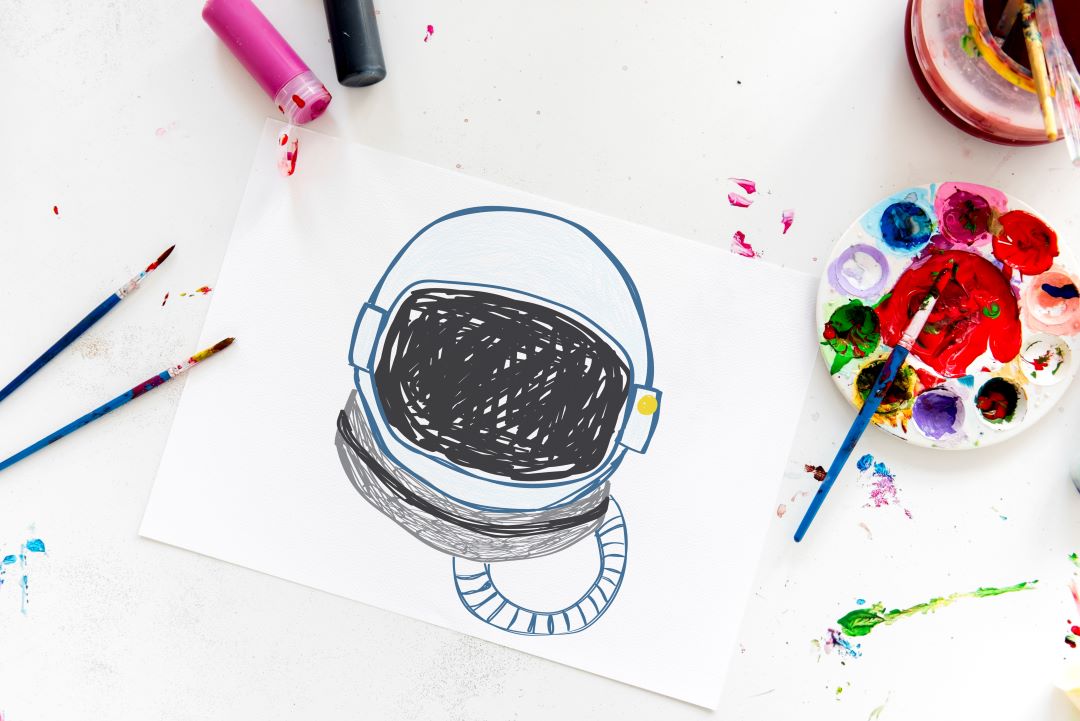

The types of drawing styles include realistic drawing, characterized by lifelike details; abstract drawing, which emphasizes shapes and forms to convey ideas; and cartoon drawing, known for its playful and exaggerated features.
Other common and popular drawing styles include line drawing, cubism, and surrealism, each offering unique methods to express artistic visions.
What are the types of drawing styles with names?
The types of drawing styles with names include a variety of popular drawing styles that cater to different artistic expressions and help in practicing drawing to enhance drawing skills.
These styles range from realistic art style, focusing on lifelike depictions, to abstract styles that emphasize creativity and imagination.
Other notable types include cartooning, used for playful or exaggerated characters, and anime, a highly stylized and vibrant form of illustration.
Exploring the most popular drawing styles allows artists to experiment and refine their techniques while discovering their unique art style.

Can’t think of 10 different drawing styles? Here are 16 Different Drawing Styles
The 16 types of drawing styles include doodling, line drawing, cartoon drawing style, photorealism/ hyperrealism, tattoo drawing, architectural drawing, typography drawing, geometric drawing, diagrammatic drawing, anamorphic drawing, stippling drawing, hatching and cross-hatching, scumbling and scribble art, fashion drawing, pointillism and perspective drawing.
Each of these offers a unique type of drawing style that caters to different artistic preferences and techniques.
From the intricate geometric patterns and the clean lines of art nouveau to the bold visuals of pop art and the sketchy charm of doodling, these popular drawing styles reflect the diversity and creativity within artistic expression.
Many of these drawing art styles, such as figure drawing and line drawing, have remained timeless and are among the most popular drawing styles adopted by artists around the world, while others, like cartoon and anime, bring vibrant and dynamic visuals to diverse mediums.

Doodling
Doodling is a carefree and spontaneous form of art where you create scribbles or little drawings without any prior plan or structure.
It often emerges when you absentmindedly start drawing, exploring simple shapes and lines to form amusing or intricate designs.
This doodle drawing style technique is closely tied to styles like pop art, cartoon style drawing, and comic art, as it incorporates basic shapes and line drawing.
Doodling can also resemble graffiti or comic drawing styles, blending imagination with simplicity.
Whether you’re experimenting with simple shapes or just letting your mind wander, doodling is a fun way to start drawing and explore your creativity.

Line Drawing
Line drawing is an artistic style that emphasizes the use of lines as the primary visual element to create images in two-dimensional or three-dimensional space.
By varying the weight, angle, and flow of lines, artists can convey form, depth, and movement, often without relying on shading or gradients.
This style frequently uses basic shapes and a clean, minimalist approach to achieve clarity and precision.
Line drawing can be monochromatic or feature multiple colors, making it highly versatile. It finds applications in illustrations, technical drawings, book illustrations, portraits, comic books, and diagrammatic drawing.
Variations like continuous line drawing further showcase its creative potential, highlighting the elegance and simplicity of this timeless technique.

Cartoon Drawing Style/ Comic Drawing Styles
Cartoon drawing style/ comic drawing styles is characterized by its use of exaggerated features and bright colors, making it a unique and engaging art style.
Commonly associated with comic drawing styles, this approach often embraces simplified forms and dynamic expressions to convey stories or emotions effectively.
It is widely used in comics, graphic novels, mangas, and even pop art. Cartoon drawing is also a popular choice for children’s books, magazines, and television shows due to its approachable and imaginative appeal.
Many artists utilize a variety of drawing mediums, including traditional tools like pencils and markers, or digital drawing tools to create vibrant works.
This comic book style continues to evolve, blending classic and modern influences to retain its status as a versatile and iconic drawing style.

Photorealism/ Hyperrealism: Realistic Drawing
Photorealism, one of the most popular drawing styles, is an art form that strives to replicate the exact details of a photograph with exceptional precision.
This realistic drawing technique requires immense skill and attention to detail, often focusing on textures, light, and shadow to create artwork that is nearly indistinguishable from a real photograph.
Hyperrealism, an offshoot of photorealism, goes a step further to evoke deeper emotions or convey social messages through its hyper-detailed approach.
Many tattoo artists draw inspiration from this style, creating lifelike portraits and figures on skin.
While rooted in traditional art and classical art forms, photorealism often intersects with art nouveau and figure drawing techniques, carrying forward the legacy of intricate, detailed representations in contemporary art.
This style continues to captivate audiences with its sheer mastery and emotional depth.

Tattoo Drawing
Tattoo drawing is the process of creating designs specifically intended to be permanently applied to the skin through tattooing.
This art style requires a thoughtful approach that balances creativity and precision. Key aspects of tattoo drawing include developing strong line work and shading techniques to create depth and dimension.
Tattoo artists often draw inspiration from different art styles, ranging from geometric shapes to exaggerated features seen in cartoon-style drawings or even modern art.
Fine line tattoos and simple shapes are examples of popular drawing styles used to produce clean and minimalist designs.
Careful placement of designs is crucial, ensuring they align well with the natural contours of the body.
Many tattoo artists utilize reference materials, specialized drawing tools, or digital software to refine their ideas.
Whether aiming for intricate line art or bold designs, mastering tattoo drawing skills often involves exploring a variety of drawing styles to meet the diverse preferences of clients.

Architectural Drawing
Architectural drawing refers to technical illustrations that provide detailed information about a building’s design, dimensions, and spatial layout.
These drawings are essential for professionals such as architects, designers, and builders during the planning and construction stages of a project.
Common types of architectural drawings include floor plans, elevations, sections, and detailed views, each conveying critical structural and spatial aspects of the design.
Tools like CAD (Computer Aided Design) software have revolutionized architectural drawing by enabling precise and efficient technical drawings.
Strong drawing abilities are crucial for creating accurate representations, as these drawings ensure the project’s feasibility and align everyone involved in the construction process.
Architectural drawings play a vital role in turning creative visions into functional realities.

Typography Drawing
Typography drawing is the art of arranging letters and text in a way that makes the copy legible, clear, and visually appealing to the reader.
This unique drawing style focuses on blending creativity with readability, often incorporating decorative elements and intricate details to elevate the design.
A popular drawing style in both traditional and digital art, typography drawing can be seen in graphic novels, advertising, and even pop art ventures.
Artists use a variety of drawing tools to craft their designs, integrating stylistic influences like deco or bold, modern aesthetics.
This approach allows typography drawing to stand out as a versatile and dynamic form of expression.

Geometric Drawing: Basic Shapes
Geometric drawing involves constructing shapes and solving problems using precision tools like a ruler and compass to create accurate representations of objects and structures.
This style has evolved in the digital age, where modern software can simulate the strokes of traditional drawing tools, making it a staple for professional graphic designers.
Geometric drawing often utilizes simple shapes and patterns, merging functionality with aesthetic appeal.
It is widely used in digital art, art deco, and pop art, seamlessly blending into everyday life through logo design, architecture, and graphic layouts.
This method continues to inspire artists and designers, offering a structured yet creative approach to visual expression.

Diagrammatic Drawing
Diagrammatic drawing is a style of analysis and design that relies on diagrams to effectively communicate information, often prioritizing visual structure over text or databases.
This drawing style plays a crucial role in fields such as architecture, engineering, science, and data visualization.
It is commonly associated with technical drawing and is used to create detailed plans, schematics, and models.
Tools like AutoCAD are frequently employed to produce precise, two-dimensional representations that guide construction or design processes.
The diagrammatic drawing style ensures clarity and accuracy, making it essential for conveying complex ideas in a simplified visual format.

Anamorphic Drawing
Anamorphic drawing is an ingenious art style that relies on the clever use of perspective to create a distorted image that transforms when viewed from a specific angle or reflected in a curved mirror.
This technique offers a fascinating way to explore three-dimensional space on a two-dimensional surface, often resulting in mind-bending visuals that captivate viewers.
Popular in modern art and widely seen in street art, anamorphic drawing challenges artists to push the boundaries of perception and creativity.
If you’re looking to start drawing in this unique style, begin by studying perspective techniques and experimenting with different angles to master this captivating form of visual expression.

Stippling Drawing
Stippling is a fascinating drawing technique that involves creating images entirely from dots.
By carefully controlling the density and spacing of the dots, artists can achieve a wide range of values, textures, and even the illusion of three-dimensional forms.
This art style is highly versatile and allows creators to produce intricate shading and texture variations, all without the use of lines.
Typically, stippling is done with pens on paper, as fine-tipped pens or markers offer the precision needed for this medium.
Unlike pointillism, which focuses on color blending using dots, stippling is often monochromatic, relying solely on the placement and concentration of the dots to define the image.
To start drawing in this unique medium, artists should experiment with varying the pressure and spacing of their dots to master this sophisticated yet rewarding technique.

Hatching and Cross-Hatching
Hatching and cross-hatching are linear drawing techniques widely used in pencil drawing to create texture, value, and the illusion of form and light.
Hatching involves drawing a series of parallel lines to build up areas of shadow or tone, while cross-hatching adds intersecting lines at varying angles, creating deeper shadows and more intricate details.
These methods are essential for developing realistic drawings, as they allow artists to depict light and shadows with precision, enhancing the three-dimensional illusion of their subject.
Both techniques are versatile and can be adapted to a variety of drawing styles, from sketchy doodles to highly detailed photorealistic drawings.
Mastering hatching and cross-hatching is a fundamental skill in any art style that demands a strong understanding of value and form.

Scumbling and Scribble Art
Scumbling and scribble art involve drawing techniques that use small, quick, and layered marks to create shading, textures, and depth in artwork.
These marks, often irregular and overlapping, allow artists to develop expressive imagery and dynamic textures.
This art style is particularly valuable for enhancing drawing abilities, as it requires precision and control of pencil drawing tools.
Scumbling focuses on soft, circular motions to build layers of tone, while Scribble Art employs more freeform, chaotic lines for a spontaneous effect.
Both techniques are versatile, suitable for adding complexity to illustrations or creating abstract designs.
Their layered structure brings a rich, textured feel, making them popular in experimental artworks and creative exercises.

Fashion Drawing
Fashion drawing is a visual art form used by fashion designers and artists to communicate and explore innovative fashion ideas.
It involves creating fashion types of sketches, illustrations, or drawings of clothing, accessories, and models to visualize designs and convey a designer’s vision.
Techniques like cross hatching and pencil drawing are often employed to add texture, shading, and depth, while digital drawing and digital art have become increasingly popular due to the versatility of modern digital drawing tools.
A professional graphic designer might use a combination of traditional methods, such as colored pencils and figure drawing, and technical drawing skills to refine their work.
From sketch ideas to finalized designs, fashion drawing allows for creativity while practicing drawing helps continuously develop essential drawing skills.
Whether using traditional materials or advanced digital tools, consistent effort and exploration are key to mastering this craft and turning initial concepts into polished, dynamic designs.

Pointillism
Pointillism is a fascinating art style where tiny dots of color are meticulously applied in patterns to form an image.
This technique relies on the optimal mixing of colors by the viewer’s eye, rather than blending pigments directly on the canvas or surface.
Drawing inspiration from Impressionism, Pointillism emerged in the late 19th century with artists like Georges Seurat and Paul Signac as its pioneers.
It is celebrated for its ability to create depth and intricate details, giving compositions a vibrant and modern art appeal.
This unique drawing style has had a lasting influence, inspiring contemporary artists to explore new ways of visual storytelling using small, deliberate marks to craft complex and compelling works.

Perspective Drawing
Perspective drawing is a technique used to create the illusion of depth on a flat surface by depicting objects as they recede into the distance, making them appear smaller and closer to a vanishing point.
Key concepts in this method include the horizon line, which represents the viewer’s eye level, the vanishing point where parallel lines appear to converge, and the convergence lines that guide the viewer’s eye into the scene.
By mastering these elements, artists can effectively create depth and bring a realistic sense of dimension to their work. This approach is widely used in architectural sketches, anamorphic drawing, landscapes, and any artwork that seeks to portray spatial realism.

What are the 10 types of drawing?
The 10 types of drawing include realism, cartoon, manga, graffiti, abstract, pointillism, watercolor, hyperrealism, geometric drawing, and architectural drawing.
Realism focuses on creating photorealistic drawings that capture details from everyday life, using different techniques and tools to achieve lifelike precision.
Cartoon drawing and comic art, including manga and comic book styles, emphasize simplified, exaggerated features, often using basic shapes and human anatomy to depict vibrant and expressive characters.
Graffiti merges urban culture with art, combining bold lines and colors to transform public spaces, while cartoon style drawing relies on simple shapes and line art to evoke humor or storytelling.
Abstract art, on the other hand, embraces modern art concepts, breaking away from realism to explore emotions and ideas through geometric shapes and unique interpretations.
Pointillism creates intricate images using tiny dots, resulting in a distinct texture and visual depth.
Watercolor drawing adds fluidity and softness, blending hues seamlessly for a dreamlike effect, whereas hyperrealism takes realism further, crafting extraordinary, almost photographic detail.
Geometric drawing integrates complex patterns and simple geometric shapes, often producing symmetrical and art deco-inspired designs.
Lastly, architectural drawing blends technical skill with creativity, utilizing three-dimensional space, perspective, and continuous line drawing to design structures informed by both functionality and beauty.
These different drawing styles, supported by digital drawing techniques and drawing tools, offer limitless possibilities for drawing inspiration.
Want to learn to draw? Explore this simple guide from Space Bears Studio to help you how to draw anything you observe!

What are the 7 different types of art?
The 7 different types of art include painting, sculpture, literature, architecture, theater, film, and music.
Each of these art forms showcases a variety of different art styles and techniques, reflecting the diversity within the art world.
Painting, for instance, spans classical art movements like Renaissance realism to modern abstract designs, often highlighting intricate details or bold, exaggerated features.
Sculpture brings materials to life, focusing on form and texture, while literature captures emotions and narratives through evocative language.
Architecture blends functionality with aesthetic appeal, creating structures that range from classical art to innovative modern designs.
Theater and film bring stories to audiences using dramatic techniques and visual storytelling, showcasing the evolution of art movements over time.
Music ties it all together, uniting rhythm and melody to evoke powerful emotions and a sense of connection.
Each of these art forms enriches human experience with distinct expressions and creative depth.
Leave a Reply