
Category: Art Classes for Adults
-

What are the 5 types of erasers every artist should know?
The 5 types of erasers every artist should know are the gum eraser, rubber eraser, kneaded eraser, pencil eraser, and vinyl eraser. These essential tools help correct mistakes on various mediums like pencil marks, ink, and colored pencil. Soft erasers are ideal for delicate surfaces, while vinyl erasers and latex-free options provide precision and erase…
-

What Type of Perspective Should You Use?
You should use a type of perspective that best suits the desired effect and subject matter of your drawing. For simplicity and to depict depth, one point perspective is often used, where all orthogonal lines converge at a single vanishing point on the horizon line. This method is ideal for creating a three-dimensional appearance on…
-

How to hold a pencil for drawing?: All Drawing Grips
You hold a pencil for drawing by holding the pencil between the thumb, index finger, and middle finger, ensuring a mature pencil grasp with proper finger placement. The thumb and index finger form the primary support, while the middle finger aids in stabilizing the pencil properly. For the best grip, the ring finger and little…
-

10 Drawing Tips for Beginners
The 10 drawing tips for beginners include understanding drawing is a skill, drawing is at least 50% observation, use resources, look for basic shapes, use a full range of value, use line quality, stay consistent with your style, know your medium, loosen up, practice. These foundational tips emphasize the importance of observation, technique, and consistent…
-

How to be better at drawing?
You can get better at drawing by incorporating consistent practice and exploring new techniques. Draw daily to enhance your skills and keep a sketchbook with you everywhere to capture ideas on the go. Experiment with a variety of pencils to understand texture, color, and blending, which can add depth and perspective to your artwork. Taking…
-

How to draw form and volume?
You can draw form and volume by focusing on understanding and representing three-dimensional shapes on a two-dimensional surface through the basics of volumetric drawing. A good tutorial should start by exploring how light interacts with objects, creating cast shadows and edges that help connect the object to its surroundings. Begin with simple, basic forms found…
-
How to draw anything?
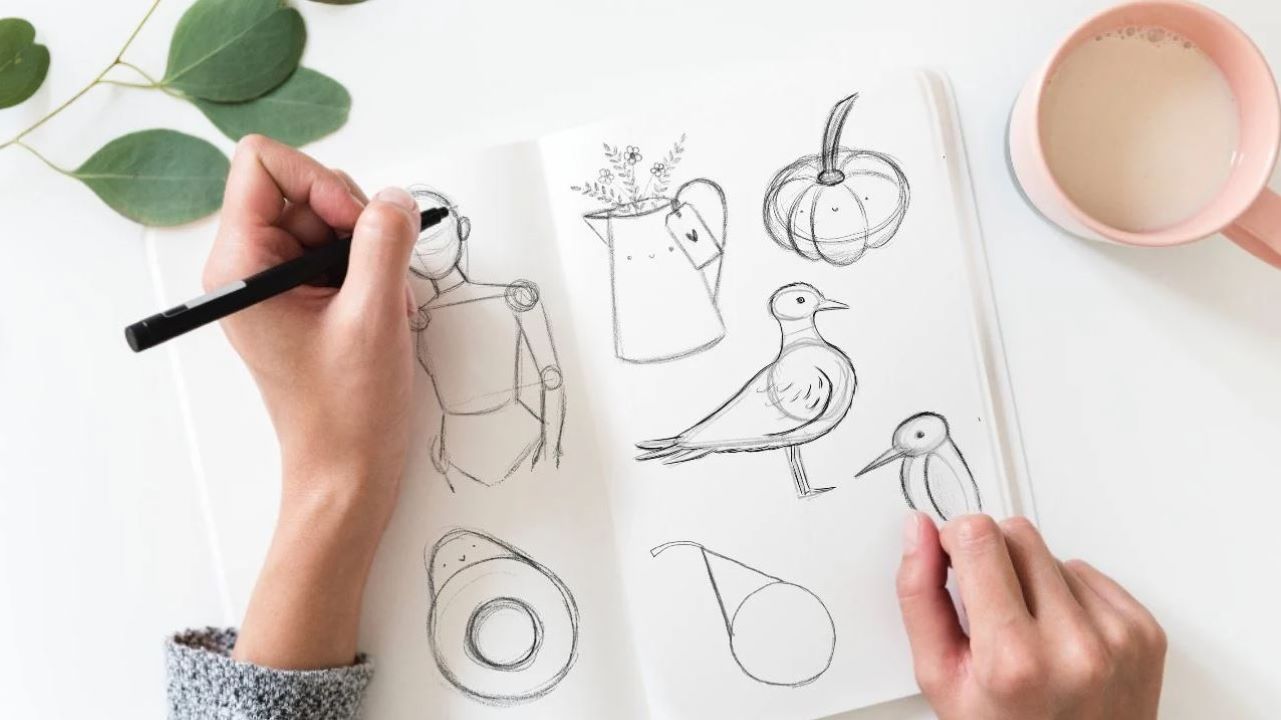
To draw anything, start by gathering your materials such as paper and pencils, and prepare to explore a creative approach to learning. Whether you’re sketching flowers, cartoons, or any subject in the moment, tapping into a library of tutorials can guide your progress step by step. Share the experience with art friends to make it…
-
What are the types of drawing styles?
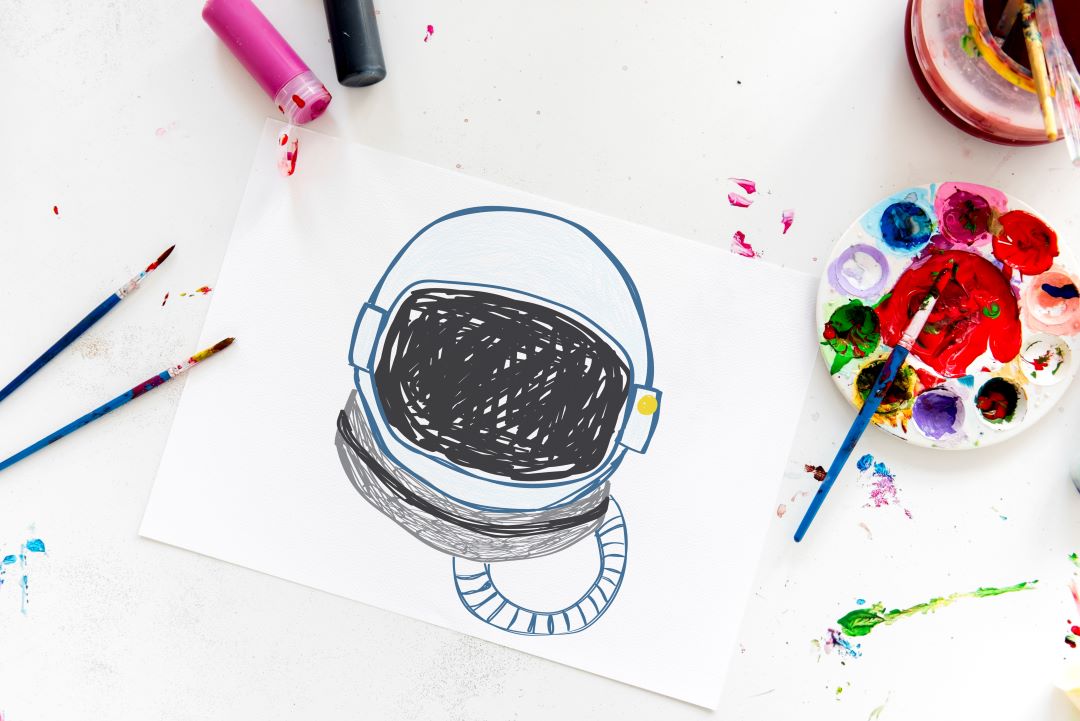
The types of drawing styles include realistic drawing, characterized by lifelike details; abstract drawing, which emphasizes shapes and forms to convey ideas; and cartoon drawing, known for its playful and exaggerated features. Other common and popular drawing styles include line drawing, cubism, and surrealism, each offering unique methods to express artistic visions. What are the…
-
10 Ways to Improve Your Painting Skills
Improving your painting skills requires practice, exploration, and dedication. Key approaches include experimenting with different techniques, studying the works of masters, and expanding your knowledge of color theory. Regular practice sharpens your abilities, while seeking constructive feedback helps identify areas for improvement. Utilizing high-quality materials can enhance your work, and learning to perceive light and…
-
Top 10 Beginner Oil Painting Mistakes to Avoid
The top 10 beginner oil painting mistakes to avoid include overusing grey and black paint, which can make artwork appear dull, and overusing titanium white, leading to a washed-out effect. Beginners often fail to pay close attention to tone and value, resulting in less dynamic compositions, or neglect sharpening edges, which can leave paintings looking…